

Live Music Is Reshaping Where the World Travels. Here’s Why Skift Created an Entire Summit Around It.

As concerts, festivals and live experiences reshape how people choose destinations, Live Nation and Skift are bringing together the leaders building the next chapter of global tourism.
For decades, the travel industry has organized around destinations—cities, beaches, landmarks and attractions. Today, live experiences are becoming destinations in their own right.
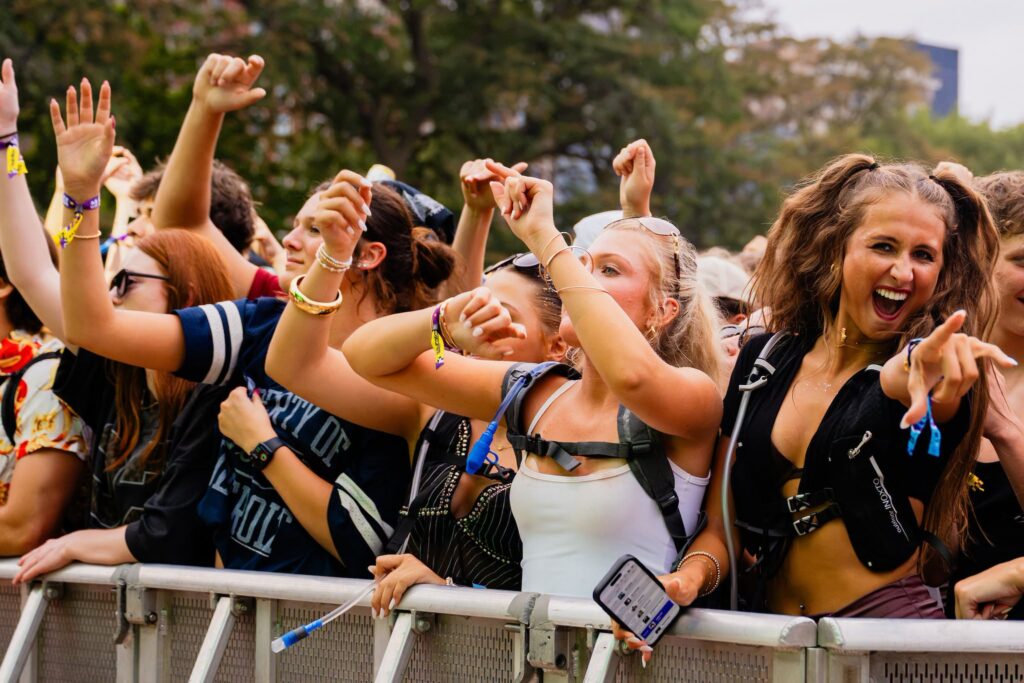
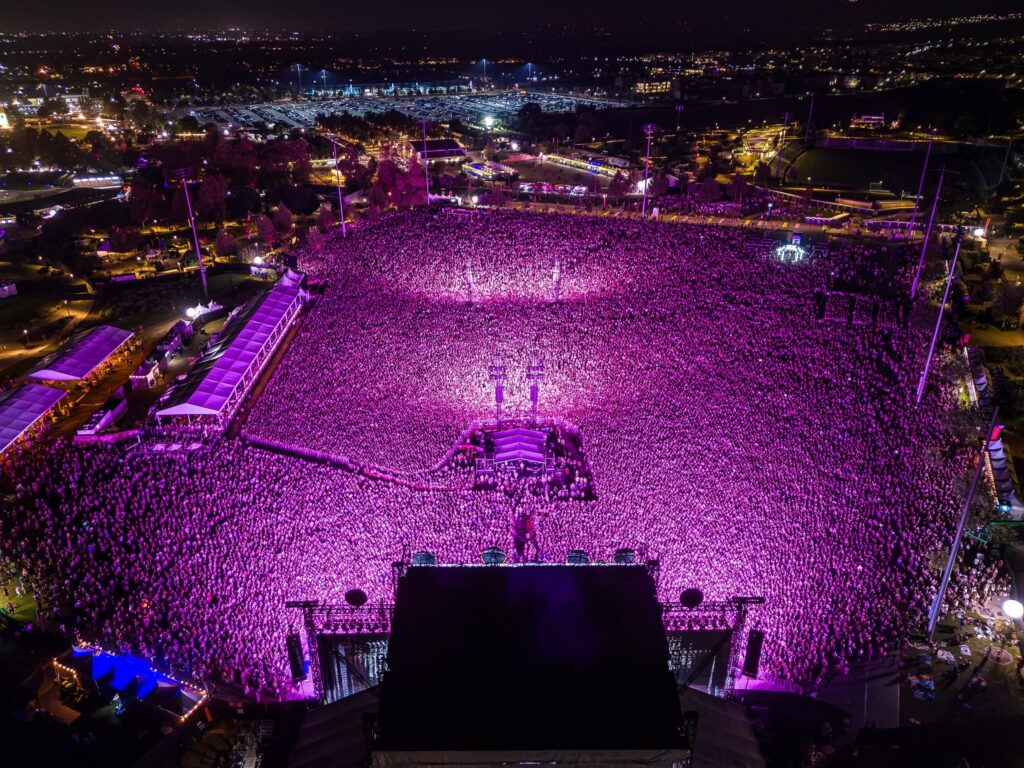
When an artist announces a tour or a festival lineup drops, fans don’t just buy tickets. They book flights, reserve hotels, extend weekends and discover places they might never have visited otherwise. What starts as a concert or festival becomes an entire trip, creating economic activity that reaches far beyond the venue.
That’s the idea behind the inaugural Skift Live Tourism Summit, presented by Live Nation.
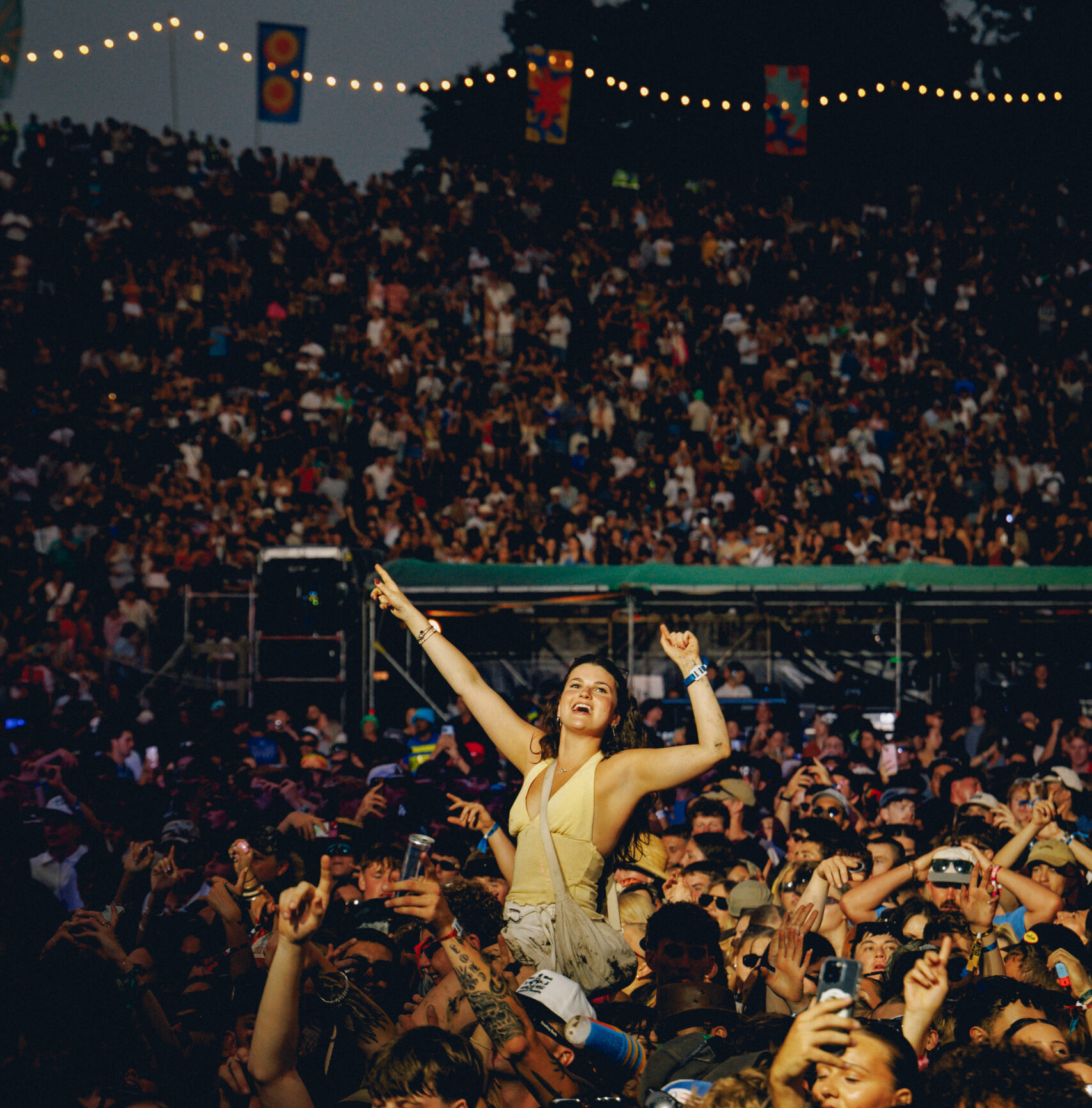
On September 22, senior leaders from destinations, hospitality, aviation, live entertainment and the broader travel industry will gather in New York City during Skift Global Forum to examine one question: How can destinations turn live moments into long-term growth?
The Summit will explore how concerts, festivals, sports and cultural moments are reshaping travel behavior, influencing investment decisions and creating new opportunities for collaboration across industries. Original Skift research, executive discussions and interactive roundtables will examine the economics of live tourism, destination readiness and the partnerships needed to sustain growth beyond a single weekend.
Ahead of the Summit, we sat down with Live Nation Global President, Media & Sponsorship, Russell Wallach, and Skift Founder & CEO, Rafat Ali, to discuss why this conversation matters now.
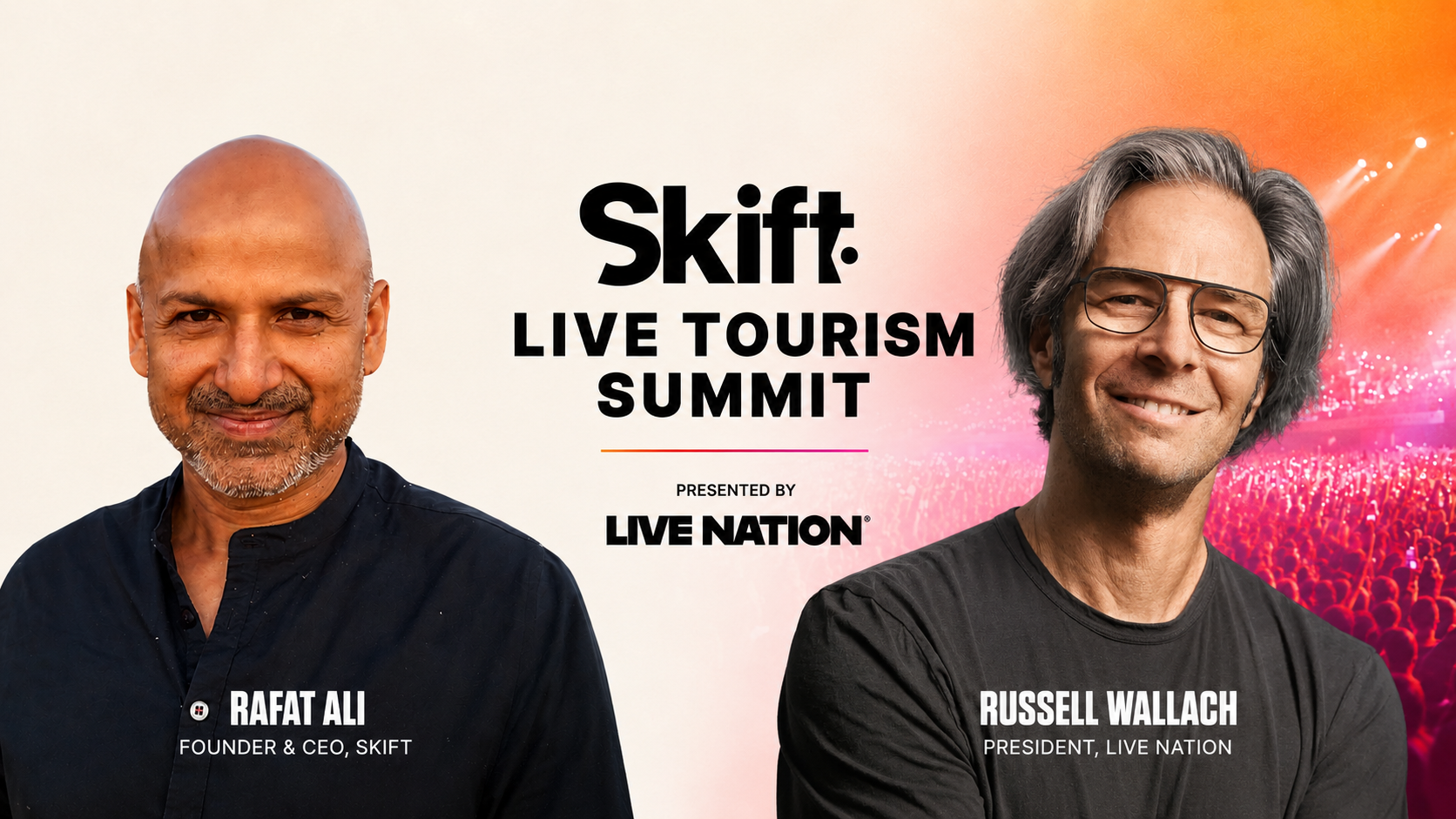
Russell Wallach (RW): For years, people planned trips around beaches, landmarks or family. Today, we’re watching fans cross countries — and sometimes oceans — to see their favorite artist or experience a festival. What do you think that tells us about what’s motivating travelers today?
Rafat Ali (RA): I coined the term live tourism because the existing vocabulary didn’t describe what the data was showing us: the event now comes first, and the destination follows. For most of modern travel history, the place was the reason for the trip and the activities filled it in. That has inverted for a growing share of travelers. Streaming made music abundant and free, and being in the room on the one night it happens is the thing that can’t be replicated. People will cross an ocean for scarcity.
RW: What’s one assumption the travel industry still has about live tourism that you think is outdated?
RA: That a concert or a festival is a marketing moment rather than infrastructure. Most destinations still treat live events as programming, something to fill shoulder season, funded year to year out of a marketing budget. The cities pulling ahead treat their events calendar as a demand asset in the same category as airport capacity or hotel supply, something that requires long-term investment, competition, and measurement. Very few destination organizations are built to think that way yet.

global fans schedule their travel plans around a tour or festival lineup
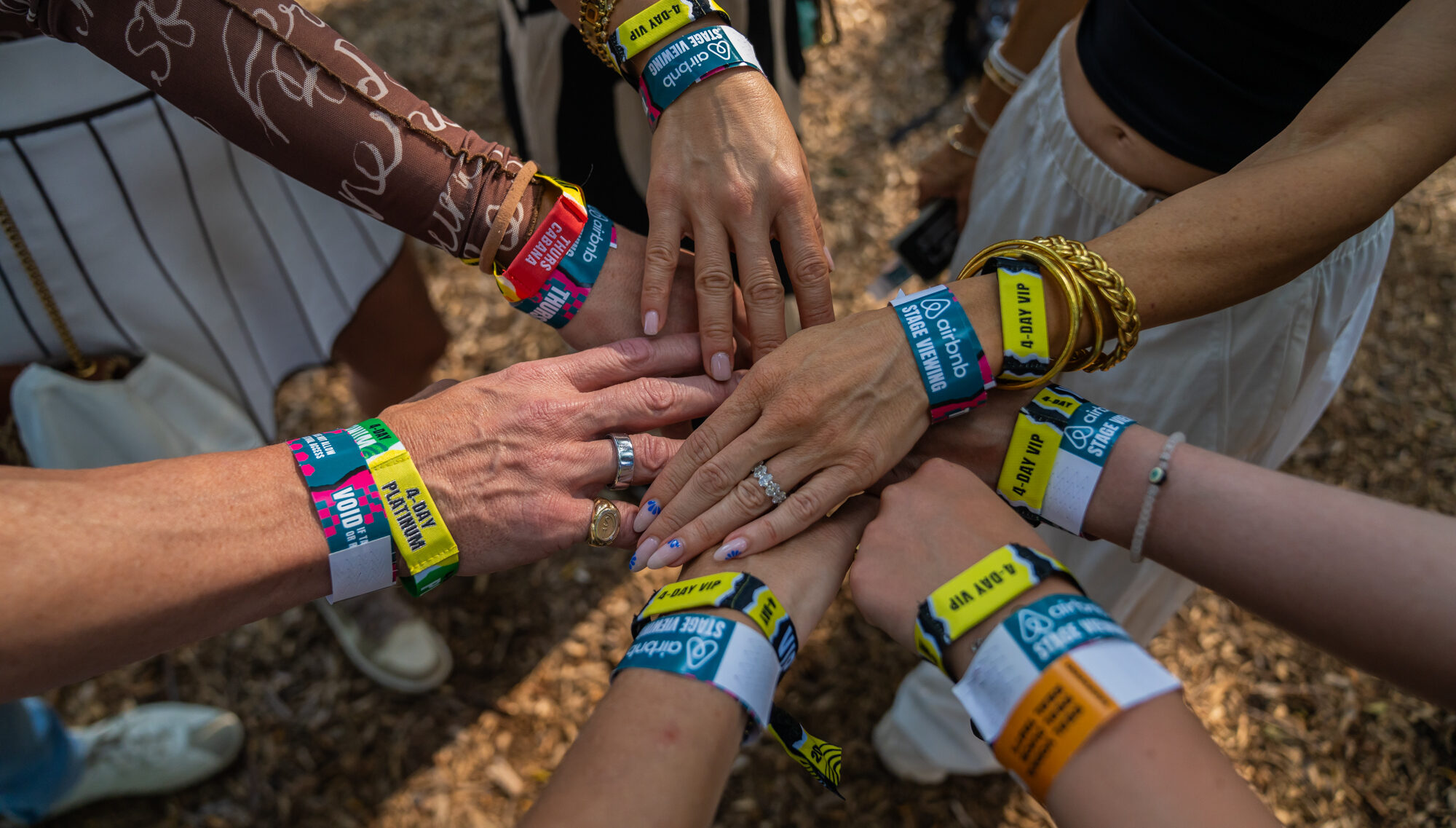
of global fans say that a live event was an important factor when visiting a destination for the first time
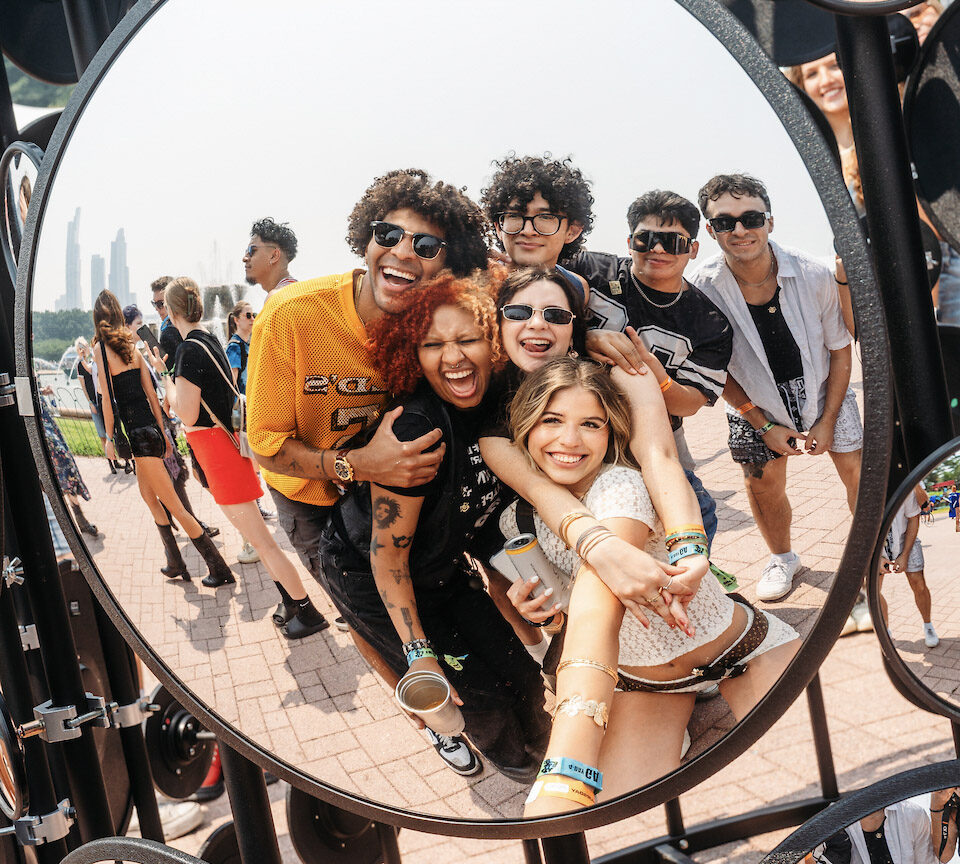
of global fans say that the artist or festival lineup matters more than the location itself
RW: Every sold-out show creates a ripple effect that reaches hotels, restaurants, airlines, retailers and local businesses. Where do you think the economic impact of live is still being underestimated?
RA: In what happens after the weekend. The standard impact study counts hotel nights and restaurant spend around the event and stops there. Almost no one measures repeat visitation, the person who came for a show, discovered the city, and returns two years later on an ordinary trip. That is the compounding value of live tourism, and because it goes unmeasured, destinations systematically underinvest in the thing that creates it.
RW: For decades, destinations have invested in giving people places to visit. Do you think enough are investing in giving people reasons to come in the first place?
RA: No. Destination investment still goes overwhelmingly to hardware: airports, convention centers, stadiums, hotel rooms. The calendar, which is the actual reason to come, gets funded annually and treated as promotion. A venue is a thirty-year commitment and a lineup is a one-year one, and that mismatch shows in how cities compete. The destinations gaining ground right now are the ones that treat the calendar itself as the asset.
RW: The Live Tourism Summit brings together leaders from travel, hospitality, destination marketing and live entertainment because this opportunity is bigger than any one industry. What’s the conversation you think those industries need to have together now?
RA: The practical one is data. The promoter knows who bought the ticket, the airline sees the booking curve, the hotel sees the compression, and the destination sees almost none of it stitched together. Until those pieces connect, live tourism gets planned by accident. The harder conversation is about money: who funds the reasons to come, and who captures the value once they work. Cities collect the spillover while promoters and venues carry the risk, and there is no shared mechanism yet for aligning the two. That is the conversation we built this Summit to start.
If you want to hear this conversation live, request an invitation to attend the Skift Live Tourism Summit, presented by Live Nation.