Inside the Business of Live
From Spotify rewarding superfans to hotels built around Swedish House Mafia, companies are finding new ways to grow their businesses around live music.
A Swedish House Mafia concert in Gothenburg gave Strawberry Hotels an idea. What if the hotel became part of the show?
At Clarion Hotel Post, the Nordic hospitality group created a Swedish House Mafia Fan Hotel, complete with parties before and after the performance. Guests could spend the weekend surrounded by other fans.
For Strawberry, the concept offered a way to stand out in a competitive hotel market and build relationships with guests through something they already loved.
“The night doesn’t end with the concert.”
Håvard Hovdahl, VP of Partnerships, Strawberry
The idea is catching on across industries.
Spotify is using listening habits to give dedicated fans access to tickets. Coca-Cola is turning festival moments into personalised souvenirs. Uber sees the ride to a show as a chance to earn a repeat customer. And Libresse has helped make free menstrual products available year-round at one of Amsterdam’s best-known music venues.
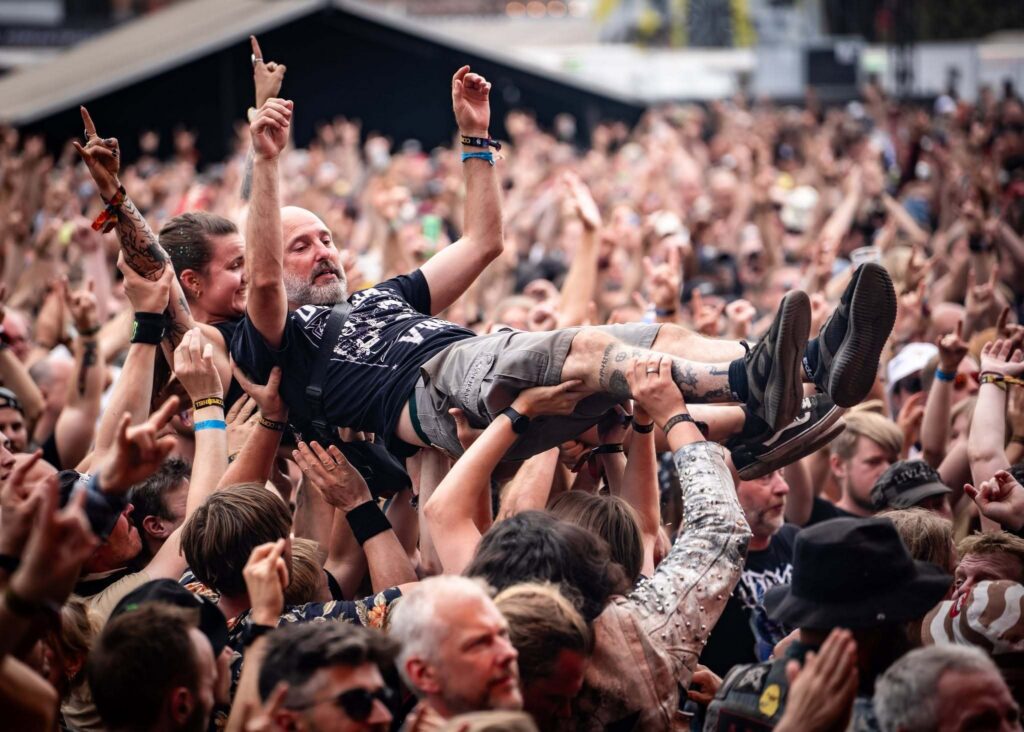
Research from Live Nation and Skift found that live music fans take 38% more trips annually than general travellers. Live Nation’s global Return to Real study found that 93% of surveyed fans crave real-world experiences over digital ones.
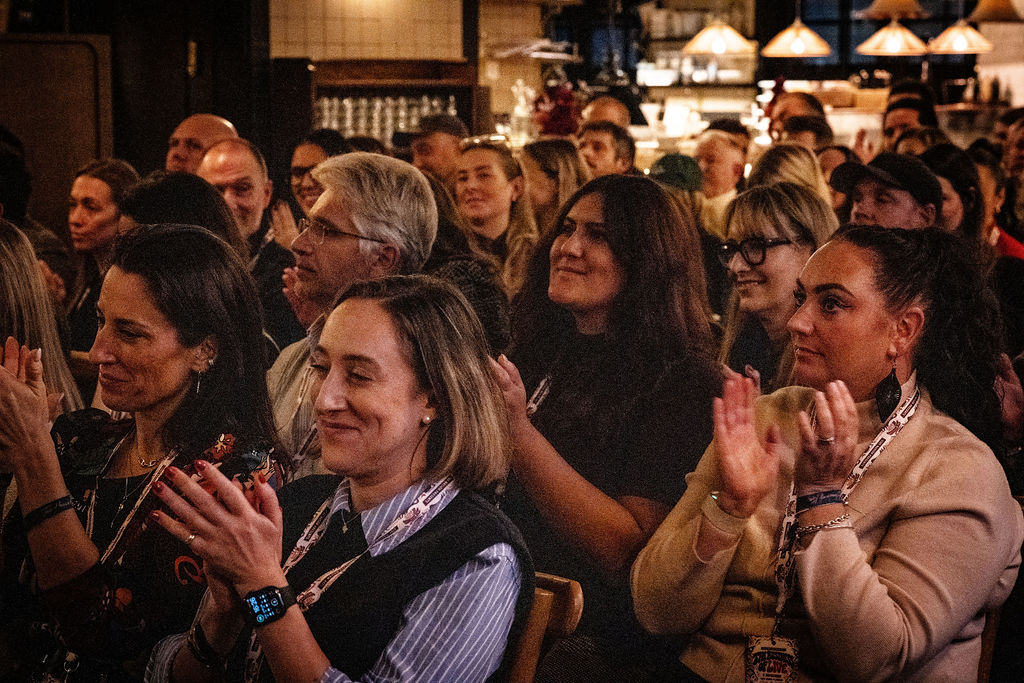
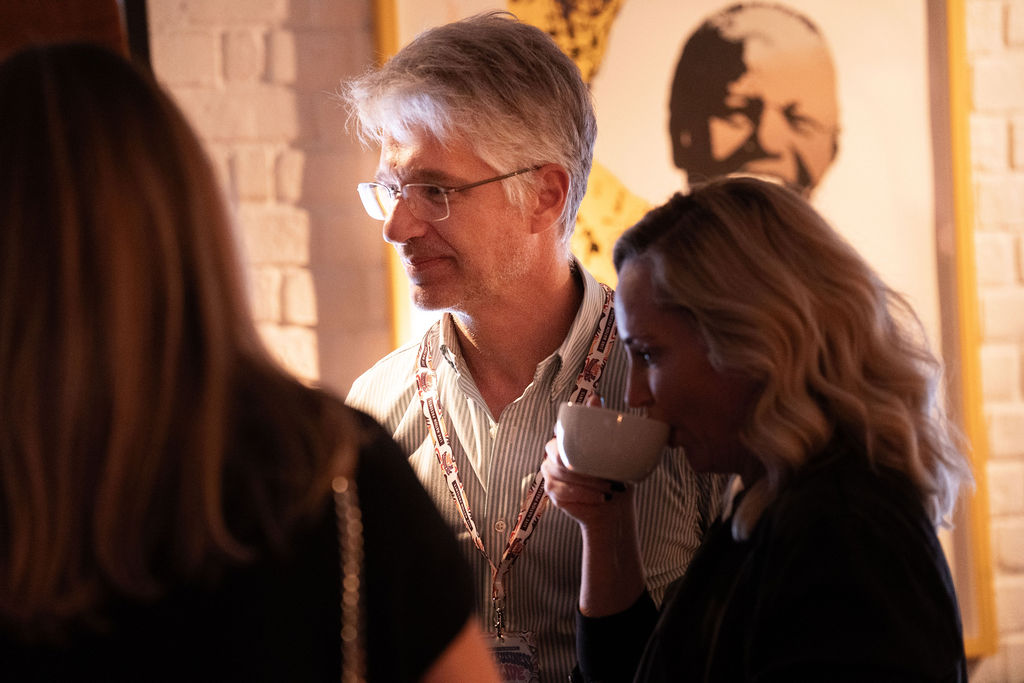
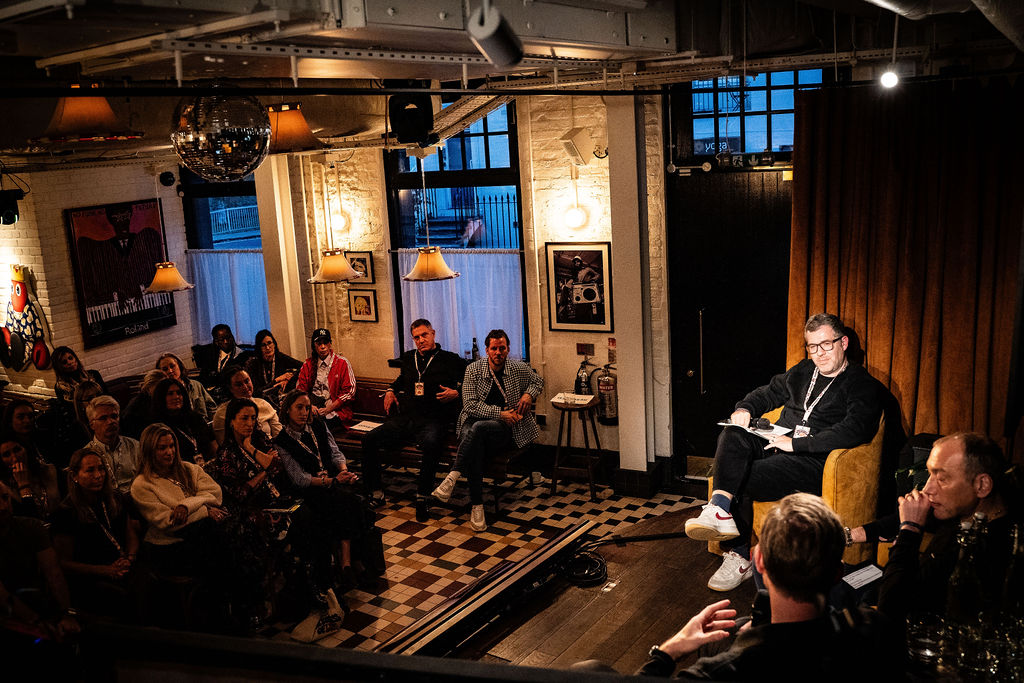
At London’s House of KOKO, leaders from Spotify, Coca-Cola, Uber, Three Ireland, Libresse and Strawberry took the stage for The Business of Live presented by Live Nation for Brands, a new series examining the relationship between live entertainment, consumer behaviour and business growth.
Their experiences reveal how companies are adapting as fans travel, spend and organise their lives around the artists they love.
The concert ticket is becoming a travel itinerary
When Adele performed in Munich, her shows attracted 730,000 fans. The Backstreet Boys drew 470,000 to Düsseldorf.
These destination performances are changing the economics of live music. Fans are increasingly willing to travel to an artist rather than wait for the artist to visit their hometown.
And the ticket is often just the beginning.
According to new global research conducted by Live Nation and Skift across 13 countries, nearly nine in ten stay overnight when travelling for live music, and approximately 60% of their trip budgets go toward expenses beyond the event itself.
That spending reaches hotels, restaurants, airlines, retailers and local attractions.
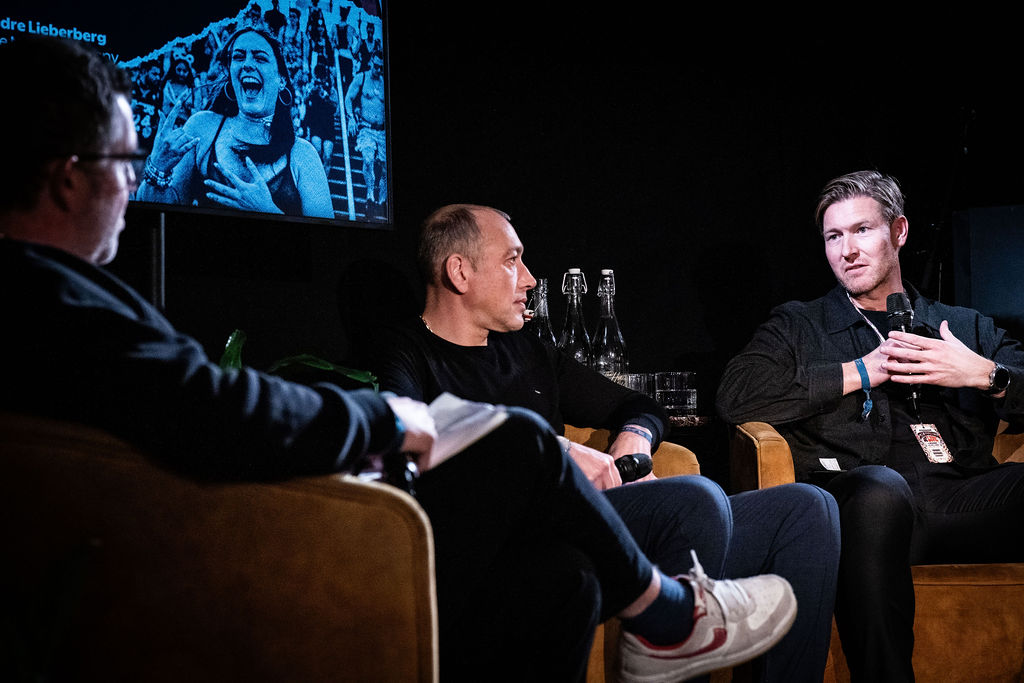
Andre Lieberberg, President and Managing Director of Live Nation Germany, has helped bring major destination concerts to European cities. He joined Live Nation’s Chris Marking and Strawberry’s Harvard Hovdahl in London to discuss how these performances are changing the decisions artists, promoters and travel companies make.
For artists, extended runs in one city can offer a different way to reach an international audience. For destinations, they can create substantial demand concentrated around a major cultural event.
For hotels, they offer a chance to become part of the reason someone chooses to travel.
Strawberry’s Swedish House Mafia Fan Hotel illustrates that opportunity. By bringing the atmosphere surrounding the performances into the property, the company gave fans another reason to choose its hotel.
It’s an approach that also challenges conventional hotel loyalty programmes.
Points, upgrades and free nights remain useful benefits. But an experience connected to a favourite artist can give a guest a more personal reason to choose one hotel over another.
The next opportunity may be making the entire trip easier to plan, with tickets, accommodation and travel more closely connected.
Spotify is making fandom a loyalty benefit
A fan who has listened to an artist for years may have a stronger emotional connection to that musician than someone who discovered them last week.
Spotify has a growing ability to recognise that difference.
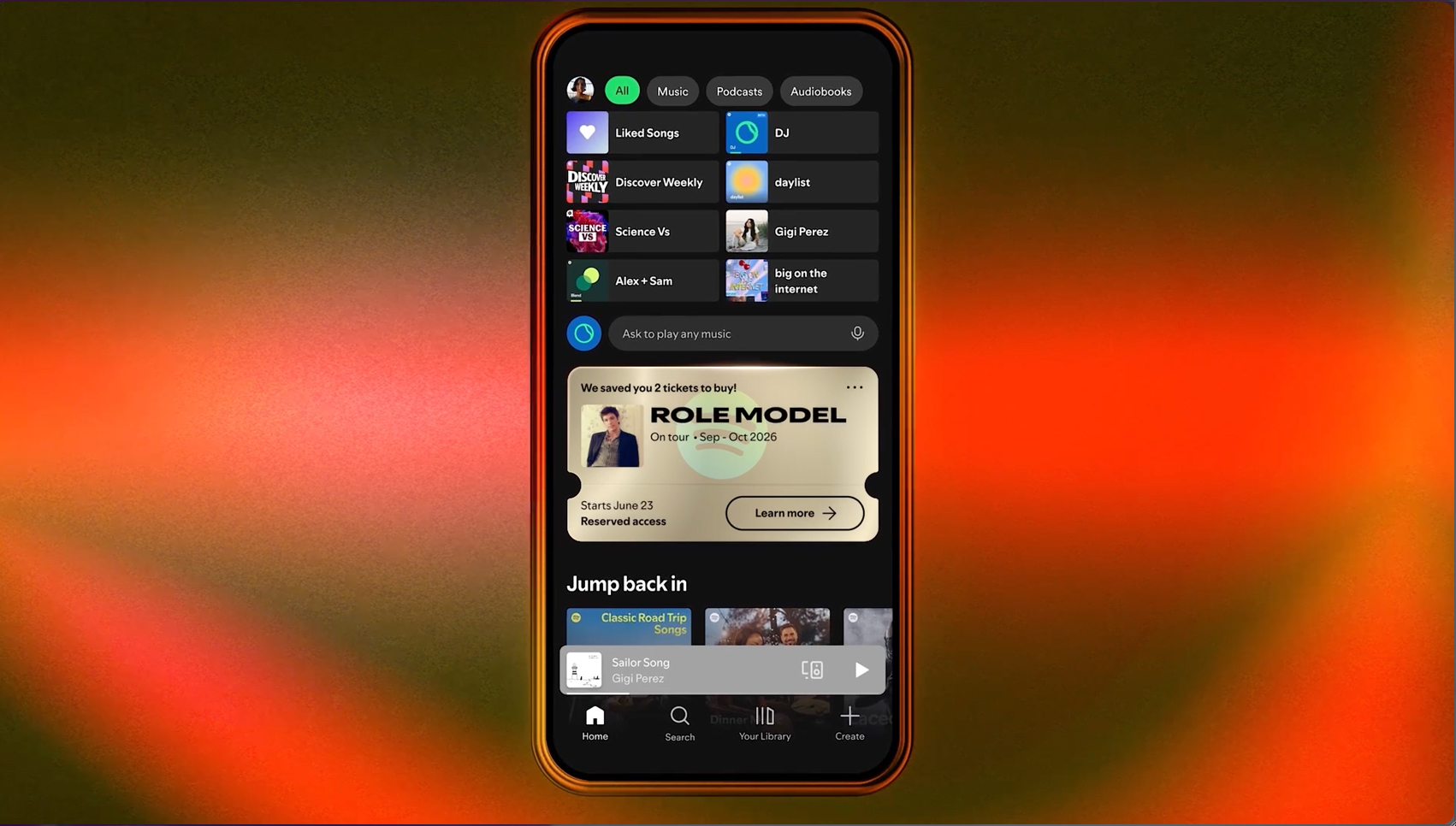
Through Spotify Reserved, the streaming platform uses listening behaviour, including streams, saves and shares, to identify engaged fans and offer eligible listeners access to reserved concert tickets.
The programme launched with artists including ROLE MODEL and Rod Wave.
“The bigger fan you are, the more we should be giving back to you.”
Gerry Randolph, Head of Marketing for Reserved, Spotify
Traditional loyalty programmes often reward customers according to how much they spend. Spotify is exploring how a person’s enthusiasm for an artist can help determine the experiences they are offered.
Three Ireland has spent more than a decade building its own business around music fandom.
Its partnerships span 3Arena, 3Olympia and Electric Picnic, alongside presales, premium experiences and benefits through its Three+ rewards programme.
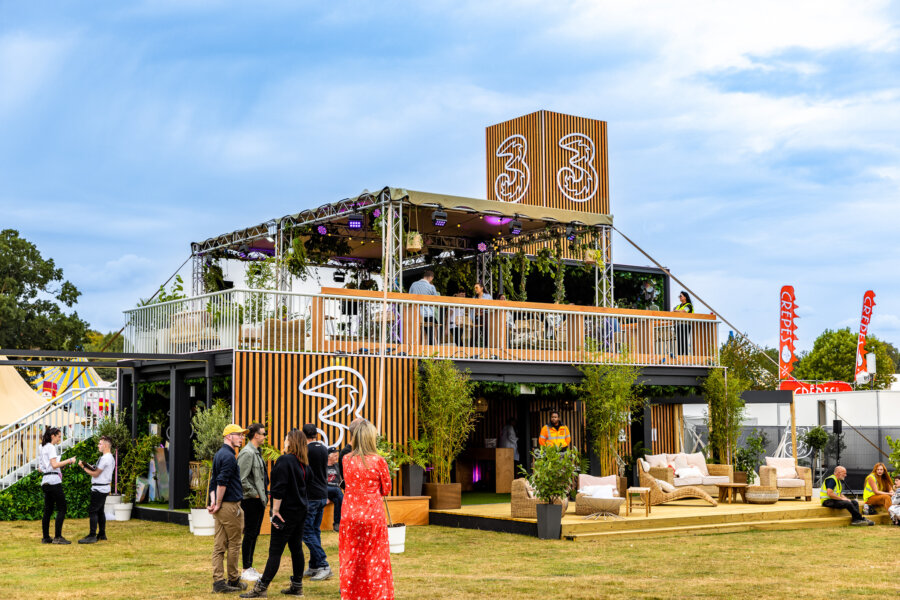
At Electric Picnic, Three House gives customers access to an exclusive space and viewing platform near the main stage. The experience is popular enough that fans queue for the chance to get in.
For Tom Kinsella, Chief Consumer Officer at Three Ireland, the commercial results are important. Customers who engage with the company’s music programmes have greater lifetime value, according to Three.
That’s a valuable distinction for any business investing in loyalty. A customer might redeem a discount and forget about it. An experience they talk about with friends can influence how they feel about the company long afterward.
Live Nation’s Return to Real research underscores the opportunity. While 66% of surveyed fans say they’re engaging more with loyalty programmes, 64% also report feeling less loyal to brands than before. And 71% say loyalty programmes feel the same.
For Spotify and Three, live music offers a way to give customers benefits that feel personal and difficult to replicate.
Libresse found a problem worth solving
At Pinkpop, one of the Netherlands’ major music festivals, Libresse identified an issue that was keeping some potential attendees away.
Research showed that approximately one in five women avoided festivals while menstruating.
The menstrual care brand responded by creating the Refresh Spot, a dedicated space offering clean facilities, free menstrual products and a more comfortable experience for festivalgoers.
Some fans walked across the festival grounds specifically to use it.
The response led to something more lasting.
Libresse expanded its work to AFAS Live in Amsterdam, where permanent dispensers now provide free menstrual products in restrooms.
What began as a festival activation helped improve the experience of attending concerts throughout the year.
Dorothee Vanderbroeck, Senior Brand Manager at Libresse, shared the story during a discussion with Spotify’s Randolph, Three’s Kinsella and Live Nation Chief Operating Officer Chris Loll.
For festivalgoers, the benefit is immediate and practical. For Libresse, the experience creates a reason for people to associate the brand with making an activity they love more accessible.


How Coca-Cola stays part of the festival
“Marketers treat festivals like a weekend. Fans treat them like a season.”
Stefan Rothenbuehler, Head of Music & Entertainment Partnerships Europe, Coca-Cola
Fans may buy tickets months in advance. They plan trips with friends, build playlists, decide what to wear and follow announcements about the lineup.
Afterward, they share photos, revisit performances and talk about their favourite moments.
That gives brands far more opportunities to connect with fans than the few days they’re actually on festival grounds.
Coca-Cola has been exploring that extended relationship through its music partnerships, including its Sofa to Stage approach.
At Lowlands in the Netherlands, the company brought its Share a Coke campaign into the festival, allowing attendees to personalise cans and take home a souvenir connected to the experience.
By becoming part of a positive memory, Coca-Cola hopes to influence what a customer chooses the next time they’re buying a drink.
Uber is approaching the same opportunity from the perspective of getting fans to and from shows.
Charlotte Eriksen, Uber’s Country Manager for Denmark, sees concerts as occasions when someone might try the service for the first time.
The experience can also become part of the fun. Some drivers decorate their cars, play music by the artist passengers are going to see or create a celebratory atmosphere on the journey.
“The first ride earns us the chance for a second one.”
Charlotte Eriksen, Country Manager, Denmark, Uber
For Uber, a reliable and enjoyable first ride can encourage someone to use the service again, whether for another concert or an ordinary journey.
The two companies have also demonstrated how their businesses can work together. At Lollapalooza Chicago, a Coca-Cola purchase unlocked a discount on an Uber ride.
It illustrates how companies can create more value for customers when they consider how their products fit together across the concert experience.
The internet is creating friendships that come to life at concerts
New Live Nation research presented in London by Alisha Strother surveyed 4,000 recent concert and festival attendees across 15 European markets.
Among Gen Z respondents, 57% said they had attended a show with someone they first met online.
Across the wider sample, 75% said meeting new people was harder than it had been five years earlier, while 85% said concerts gave them a reason to make plans.
A group chat about a favourite musician can become a weekend away. An online friendship can turn into a meeting in a festival crowd.
The next generation of artists is building international audiences earlier
The relationship between online communities and live music is also changing how artists develop their careers.
John Reid, Chairman of Live Nation EMEA, and Jim Campling, President of UK Marketing Partnerships at Live Nation, explored how streaming and social platforms have made it possible for artists to build followings across countries earlier in their careers.
For promoters, that changes how demand for international tours can develop. For brands, it means an emerging artist may already have an international audience.
British singer-songwriter Alessi Rose offers a compelling example.
Rose began by sharing music from her bedroom and performing intimate pop-up shows, including early performances for audiences of just eight people.
Within a few years, she had supported Dua Lipa and Tate McRae, signed with Polydor and Capitol Records, and built an international following of her own.
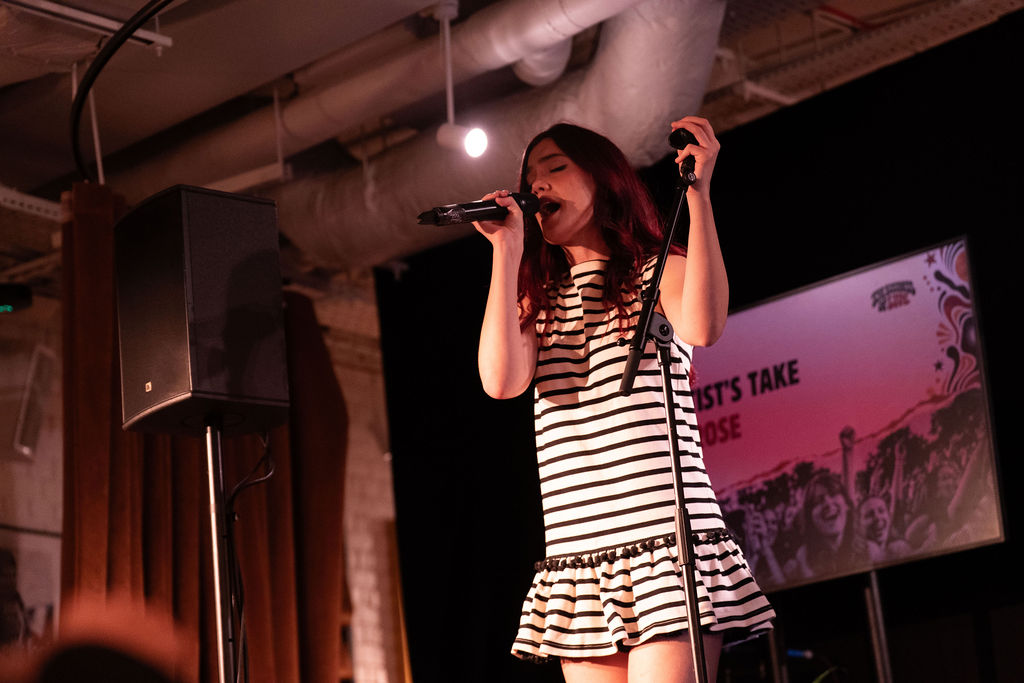
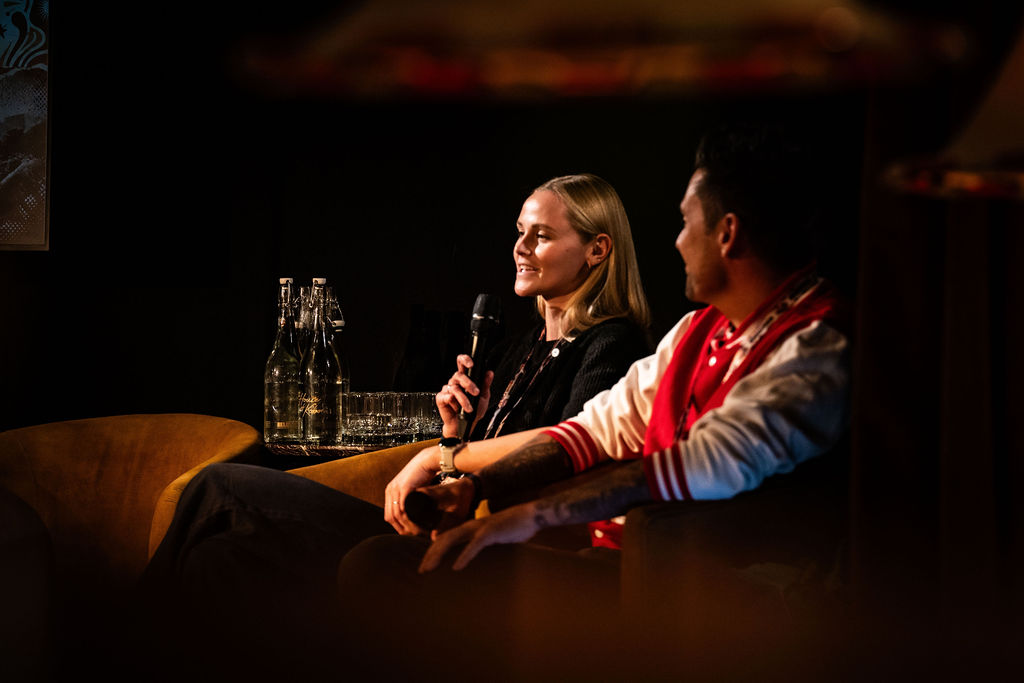
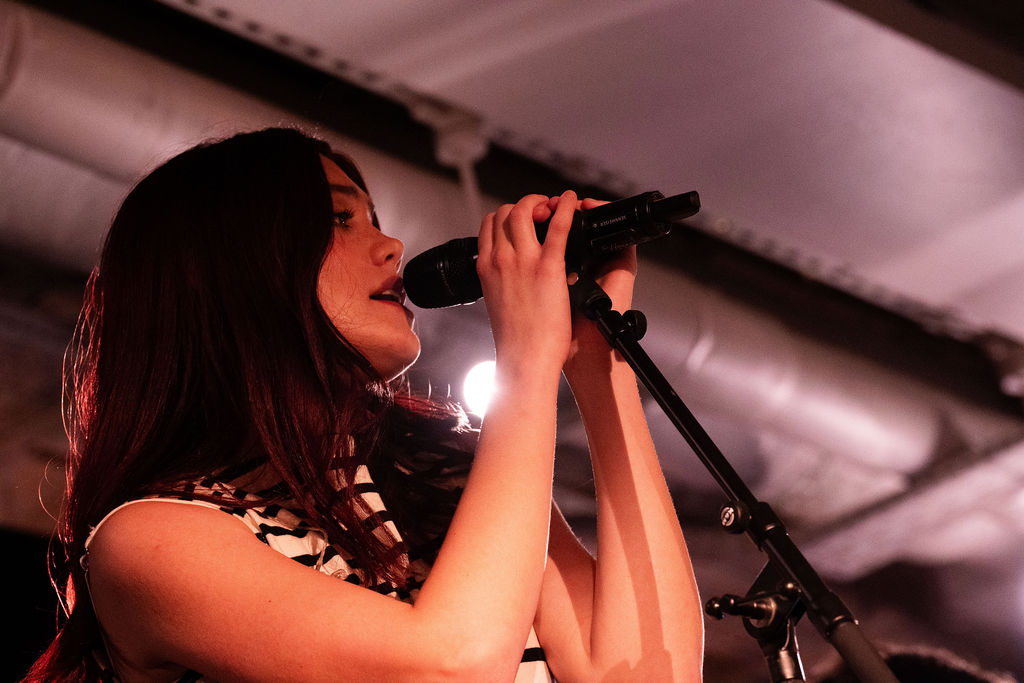
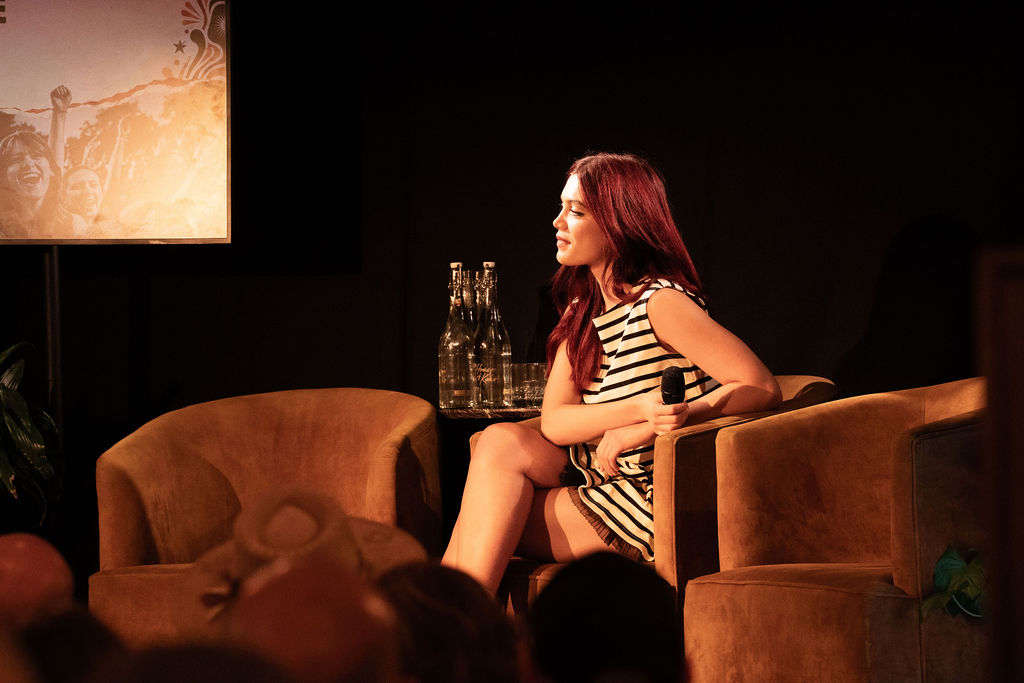
At House of KOKO, she joined Reid for a conversation about her rise, the close relationship she maintains with her fans and the realities of building a career across social platforms.
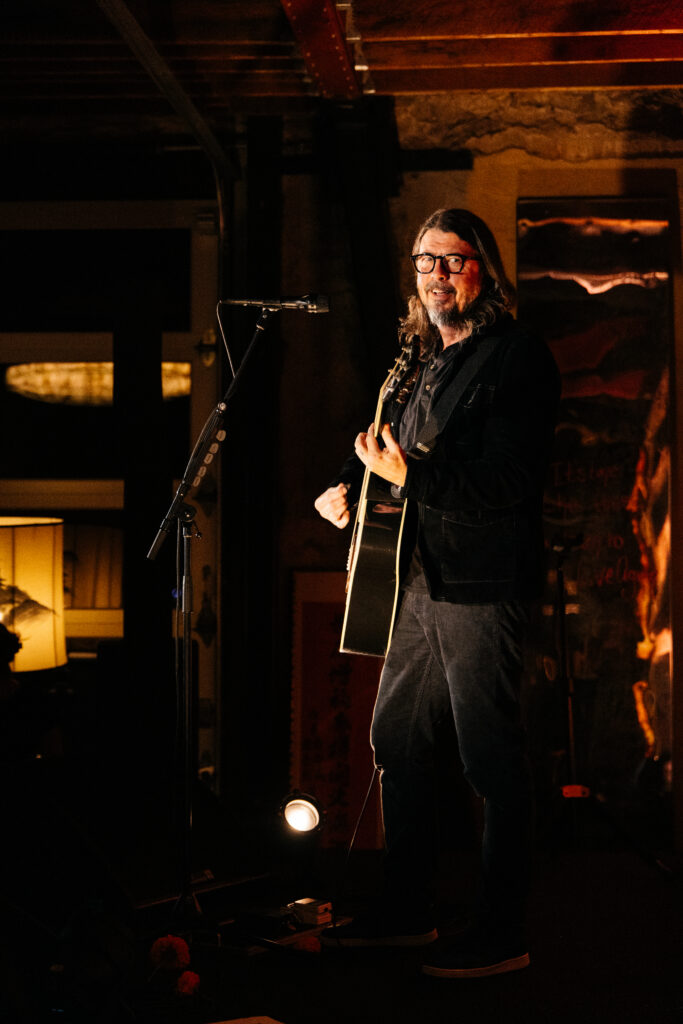
She then closed the event with a live performance.
Live performance gives that following a chance to gather in the same place, deepening the relationship between an artist and their fans.
For the wider music industry, those growing international communities are influencing touring decisions, venue demand and the opportunities available to emerging artists.
The business around the show keeps growing
A concert can inspire someone to visit a new city, book a hotel, use a transportation service for the first time or spend money with brands that improve their experience.
The business of live music is getting bigger. So is the number of businesses that stand to benefit.