What Do Rock Stars Know About Loyalty That Brands Don’t?
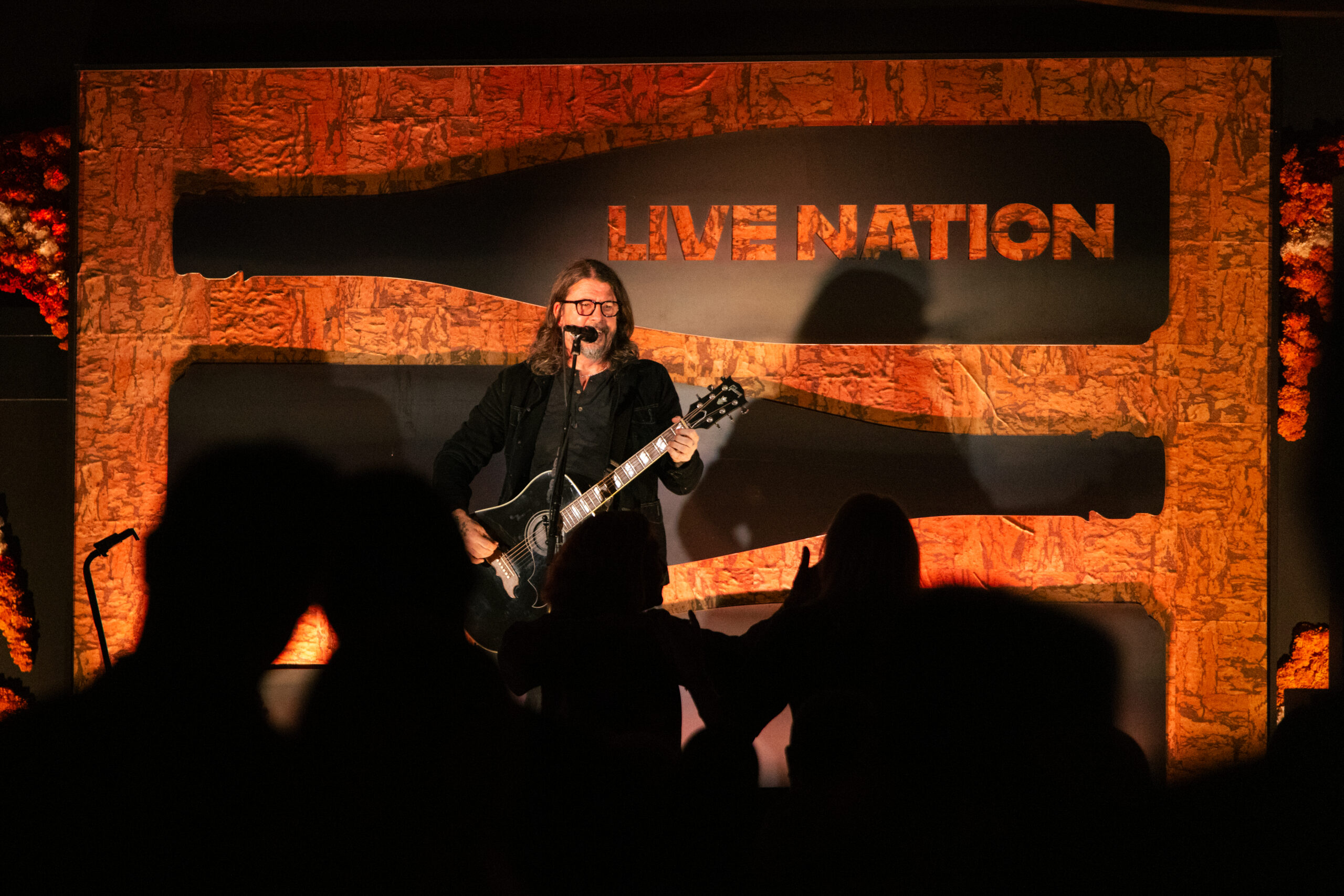
Dave Grohl doesn’t need a loyalty program.
Neither do the artists whose fans spend months anticipating a concert, travel thousands of miles to attend and talk about the experience for years afterward.
That’s a level of consumer devotion most brands would love to inspire. And it raises an interesting question for the executives responsible for building the world’s biggest brands: What do artists understand about keeping people coming back?
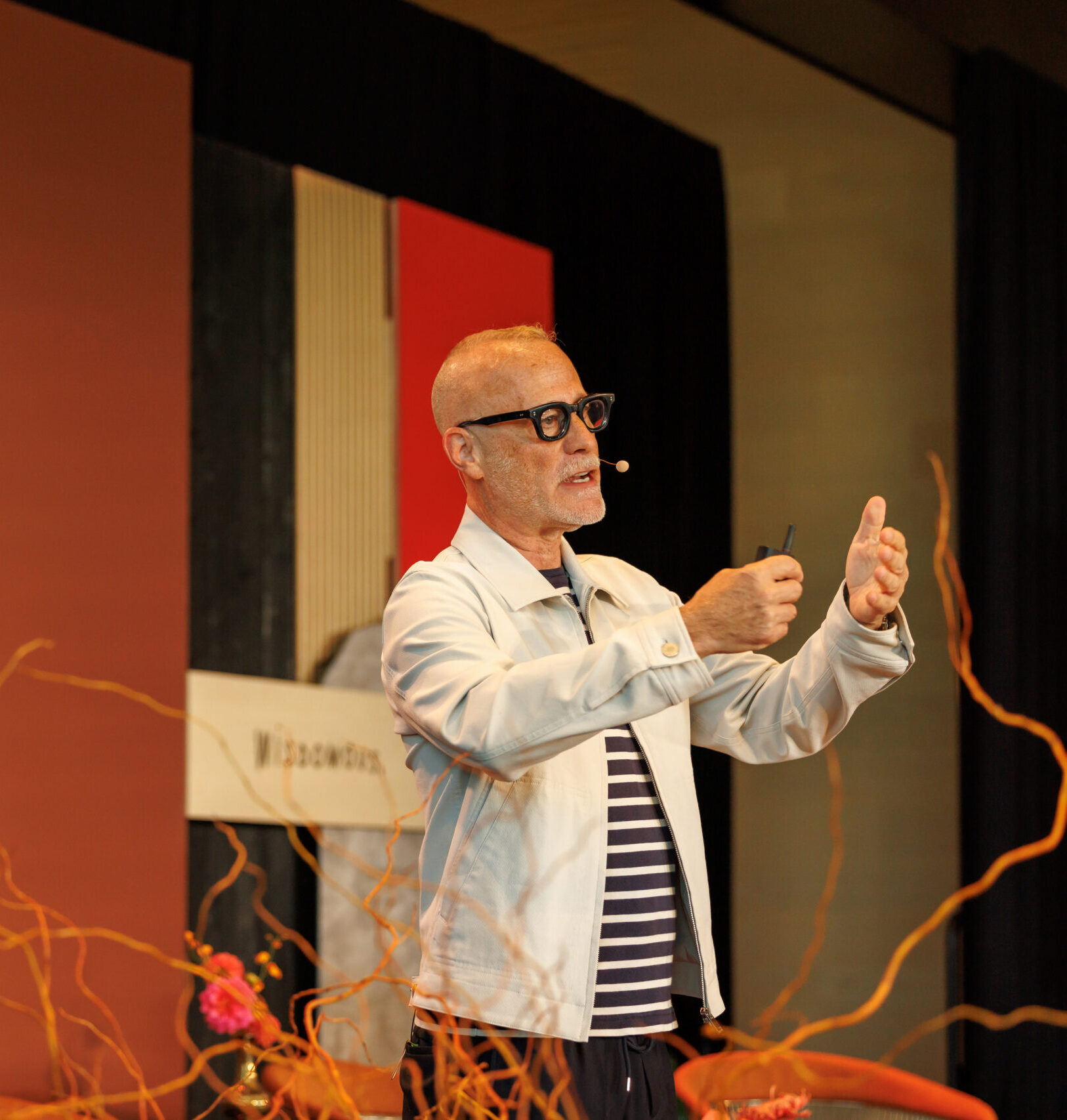
At the inaugural Create or Destroy Sessions, presented by Live Nation and held in partnership with Vox Media, about 120 senior marketing leaders gathered to explore that question.
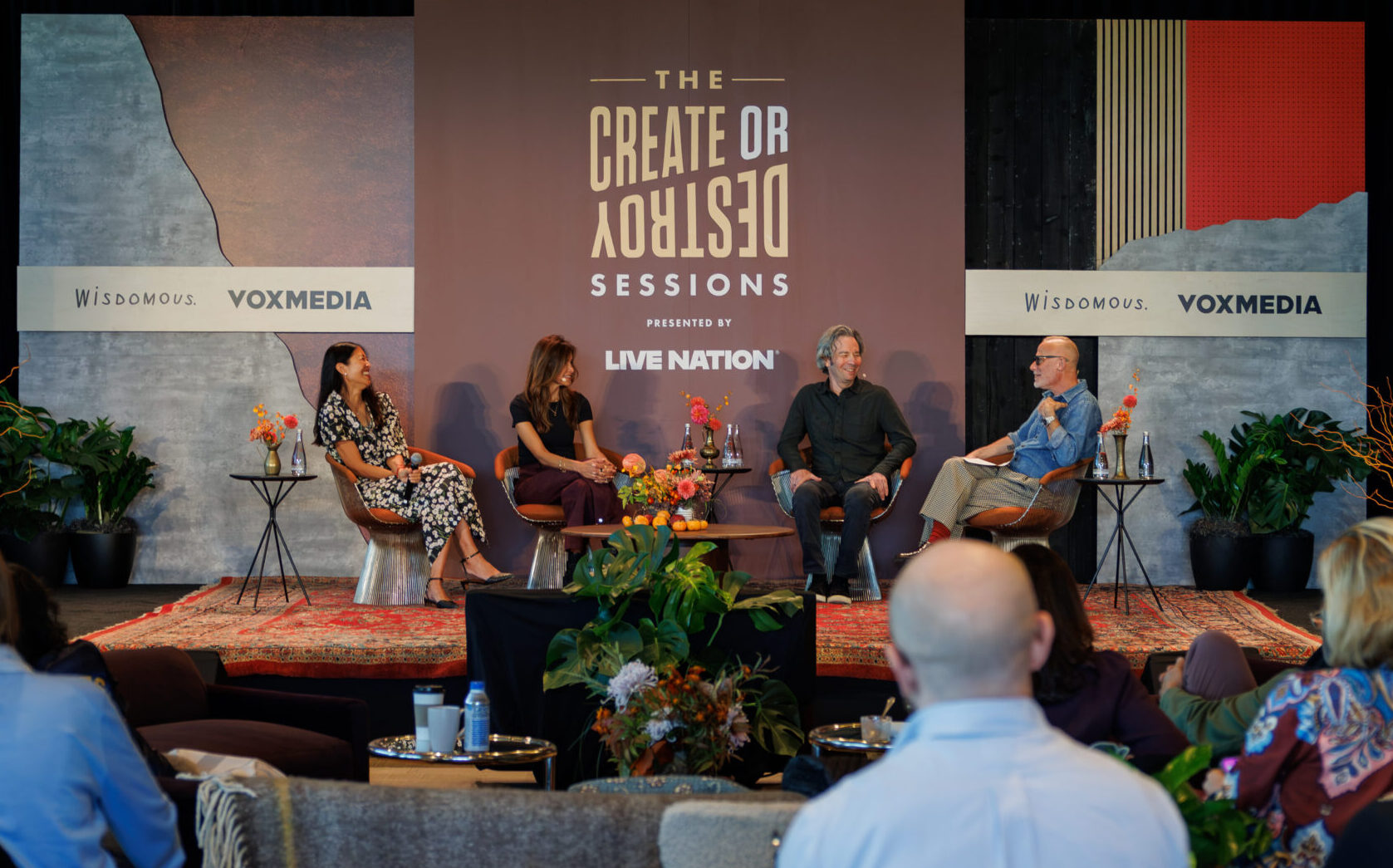
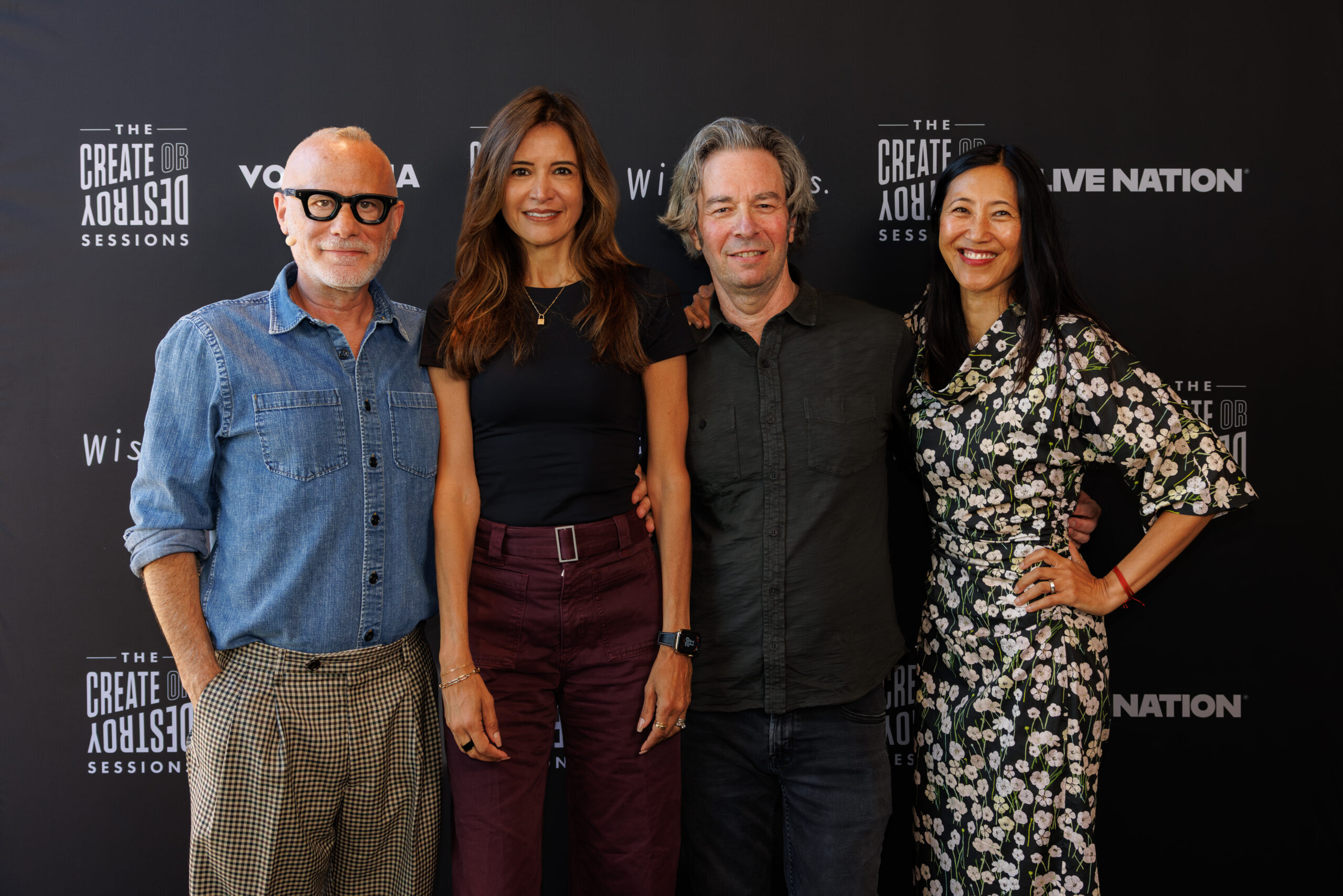
Moderated by Seth Matlins, Gap’s Faby Torres, Snap’s Grace Kao and Live Nation’s Russell Wallach had plenty to say about the power of “collective effervescence”, what happens when music brings people together, from advertising people actually look forward to, to brand experiences fans will wait in line for.
What Happens When People Start Anticipating Your Advertising?
Gap has spent decades making music and dance central to its identity. Its advertisements have featured everything from swing dancing to memorable musical performances, turning a familiar clothing brand into a recurring presence in popular culture.
Now Gap Brand Global CMO Faby Torres is building on that history through Gap Rhythm, a platform that brings music, movement and nostalgia together to reach younger audiences while reconnecting with generations who grew up with the brand.
The approach gives Gap a recognizable creative language while leaving room for new artists, sounds and cultural influences.
But Torres described something more interesting than a successful campaign: people are beginning to anticipate what Gap will do next.
Most marketing measures what happens after a campaign launches. Anticipation begins before anyone has seen the work.
It can turn an advertisement into a cultural event and give people a reason to pay attention before there’s anything to buy.
Torres emphasized the importance of honoring Gap’s history while giving new generations a role in shaping its future. Repetition builds recognition, but repeating a successful formula indefinitely risks making a brand predictable.
For marketers, the distinction is worth considering. An advertisement people remember is valuable. One they’re looking forward to suggests a deeper relationship.
“We call it the Gap rhythm, because now consumers are waiting for something to be launched next. Of course that includes product, but it’s also the content and experiences we create.” – Faby Torres, Gap Brand Global Chief Marketing Officer
The Power of Knowing When to Stay Out of the Way
Snap’s Grace Kao offered a different lesson in cultural relevance.
She described how football star Erling Haaland began using Snapchat to show fans a side of himself they rarely see on the pitch. In one playful moment, he transformed himself into Shrek.
The appeal was immediate. One of football’s most recognizable stars was having fun with the platform, and fans could share in the joke.
Snap had an obvious opportunity to turn the moment into a bigger branded campaign.
Instead, Kao’s team let it unfold organically, recognizing that an overt intervention could spoil the spontaneity that made it entertaining.
It’s a notable decision at a time when brands are under pressure to respond to every emerging trend.
Social listening and AI can identify cultural moments faster than ever. Knowing when to participate still requires judgment.
Kao argued that brands should give people room to create, reinterpret and build on their ideas. A campaign can start something without controlling how it unfolds.
For younger audiences accustomed to making and remixing content, that freedom matters.
A brand’s influence may depend as much on what it allows people to create as on what it produces itself.
“People love to express themselves and create. As a brand, what you make shouldn’t be the end state. It should give people room to take it and make it even better.” – Grace Kao, Chief Marketing Officer, Snap
Would Anyone Miss Your Loyalty Program?
Wallach challenged the audience to consider what people would genuinely miss if their loyalty programs disappeared.
It’s a revealing question for an industry built around points, discounts, tiers and rewards.
Those benefits can encourage repeat purchases. Whether they inspire a lasting connection is less clear.
Live music offers a different model.
Fans plan trips, coordinate with friends and count down the days until a show. The experience begins long before the performance and continues through memories and stories afterward.
“Fans spend months looking forward to a live show, hours experiencing it, and years talking about it. That tells you something about what people actually value.” – Russell Wallach, Global President, Media & Sponsorship, Live Nation
That emotional connection helps explain why brands outside entertainment are turning to live experiences to strengthen loyalty.
Lowe’s, for example, has worked with Live Nation to offer MyLowe’s Rewards members concert benefits, including family ticket offers at participating amphitheaters.
Home improvement and live music may seem an unlikely pairing. But helping a family enjoy a concert gives the membership program a role in something people care about.
The test for loyalty programs is whether they offer something members would genuinely miss, beyond the financial value of their rewards.
The Business That Begins After Someone Buys a Ticket
The economic impact of live music extends well beyond the ticket.
Concertgoers book flights, hotels and restaurants. They buy clothes, arrange transportation and explore destinations they might never otherwise visit.
Research from Live Nation and Skift found that live music travelers take 38% more trips annually than general travelers. Ninety-one percent said live music had inspired them to visit a destination for the first time.
For travel and hospitality companies, concerts can drive bookings. For retailers, they create shopping occasions. For payment providers and loyalty platforms, they offer a reason to engage.
Wallach pointed to Live Nation’s partnership with Airbnb, which connects music-driven travel with special artist experiences.
The idea builds on existing behavior. Fans are traveling for music, and the partnership gives them another reason to remember the trip.
For brands, the opportunity lies in understanding the larger journey around an experience and finding a useful role within it.
Why Fans Line Up for Some Brands and Walk Past Others
Are people getting tired of brands inserting themselves into cultural moments?
At Live Nation festivals, Wallach sees evidence that the answer depends on what the brand offers.
Fans routinely line up for more than an hour to participate in sponsor activations. They’re willing to spend valuable festival time with a brand when the experience is worth it.
But Wallach said Live Nation has also pushed back on proposed activations and, at times, been willing to walk away from sponsorship revenue rather than compromise the fan experience.
An activation can meet its visibility targets and still give fans little reason to participate. The best experiences offer something people actively want, whether that’s access, convenience, entertainment or a moment worth sharing.
For marketers, the question is what people gain from the interaction.
For rights holders, it’s whether the activation improves the experience they’re responsible for delivering.
Both have a stake in getting the answer right.
What Iconic Brands Can Learn From a Musical Dynasty
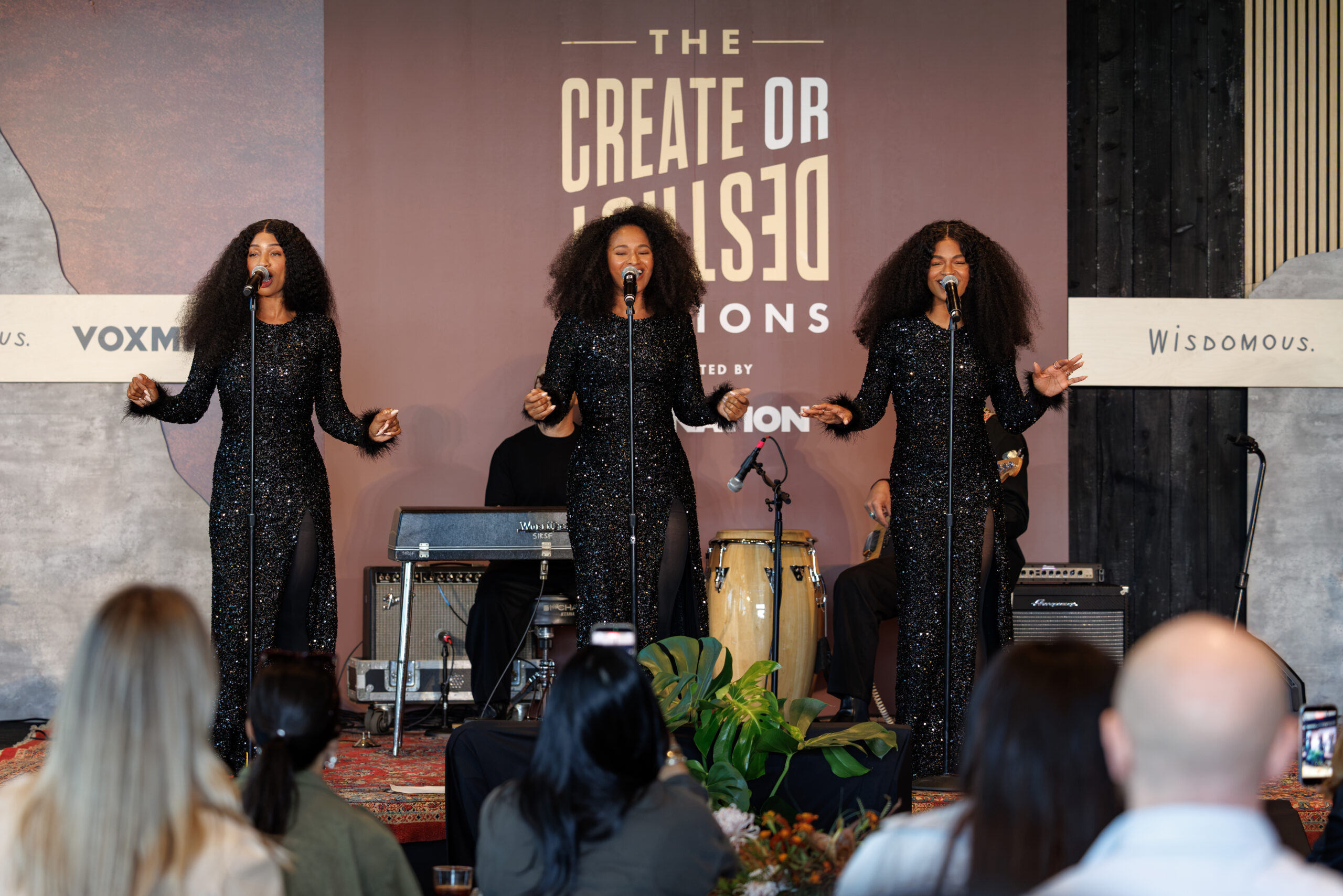
The challenge of staying relevant across generations surfaced again when Wallach interviewed The Womack Sisters.
The artists carry a remarkable family legacy while building their own musical identity.
It’s a familiar challenge for established brands: how to preserve what people love about a name while giving new audiences a reason to connect.
The sisters discussed trusting their own voices and the personal relationships listeners form with music.
Their history gives their work meaning. Their future depends on what they create now.
The same is true for brands with decades of heritage.
Nostalgia can bring people back. Sustaining that relationship requires something new.
It’s a challenge Torres is also navigating at Gap, using a recognizable cultural history to create work that younger generations can claim as their own.
The Last Word Belonged to Dave Grohl
Later that evening, the conversations gave way to live music.
At Napa’s historic Borreo Building, Dave Grohl performed for about 120 guests, including some of the world’s leading marketers.
Before the performance, Wallach asked everyone to put their phones away. It was a fitting end to a gathering devoted to understanding what people value.
All day, the room had been examining how to earn attention, inspire loyalty and create experiences worth remembering.
Then one of rock music’s most recognizable artists walked onstage, and the people responsible for some of the world’s biggest brands got to be fans.
They had something to look forward to, a remarkable few hours to enjoy and a story they’d be telling long after they left Napa.