

Nostalgia Is Bringing Every Generation to the Same Show
By Alisha Strother, Vice President, Consumer Insights, Strategy & Research
Right now, some of the biggest moments in culture aren’t introducing something new. They’re bringing people back to something they already loved.
Nostalgia isn’t just a passing mood. It’s an emotional response to a world that often feels overwhelming. In fact, 86% of global live music fans say nostalgia reminds them of a time when life felt full of possibility, and music sits at the center of this revival.
Familiar songs and artists act as emotional anchors, transporting listeners back to specific memories, people, and places. Almost half of fans say music gives them the strongest nostalgic feeling, more than TV, toys, fashion, food, or tech. Experiencing those moments live turns private memories into something shared and powerful.
The Power of Familiarity Takes Center Stage
Singing along to songs you already know changes the energy of a show. Familiar music activates memory and emotion, and when thousands of fans join in, it transcends from an individual feeling into a communal release. Fans relive these moments together, with 84% saying they love how nostalgia brings people together.
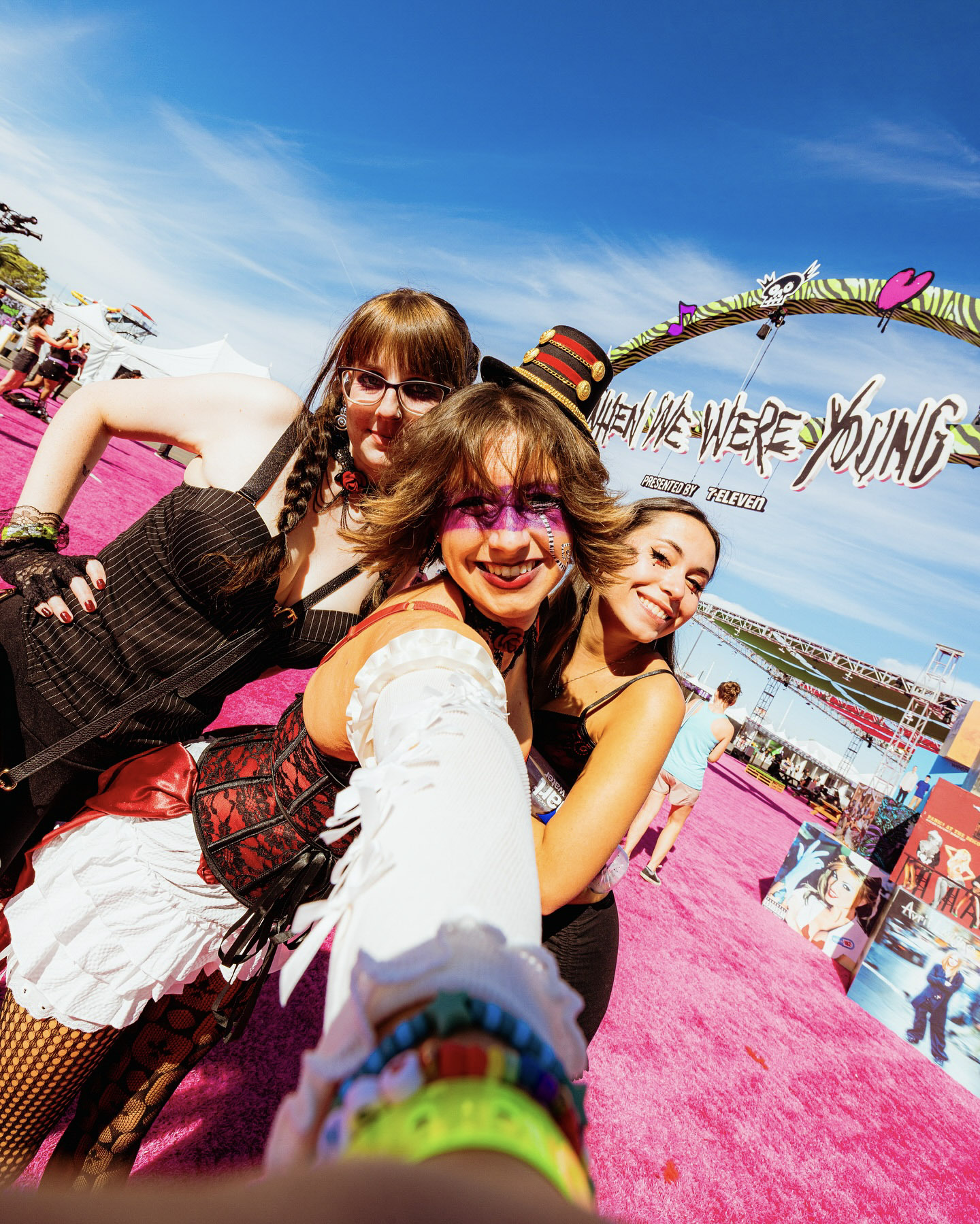
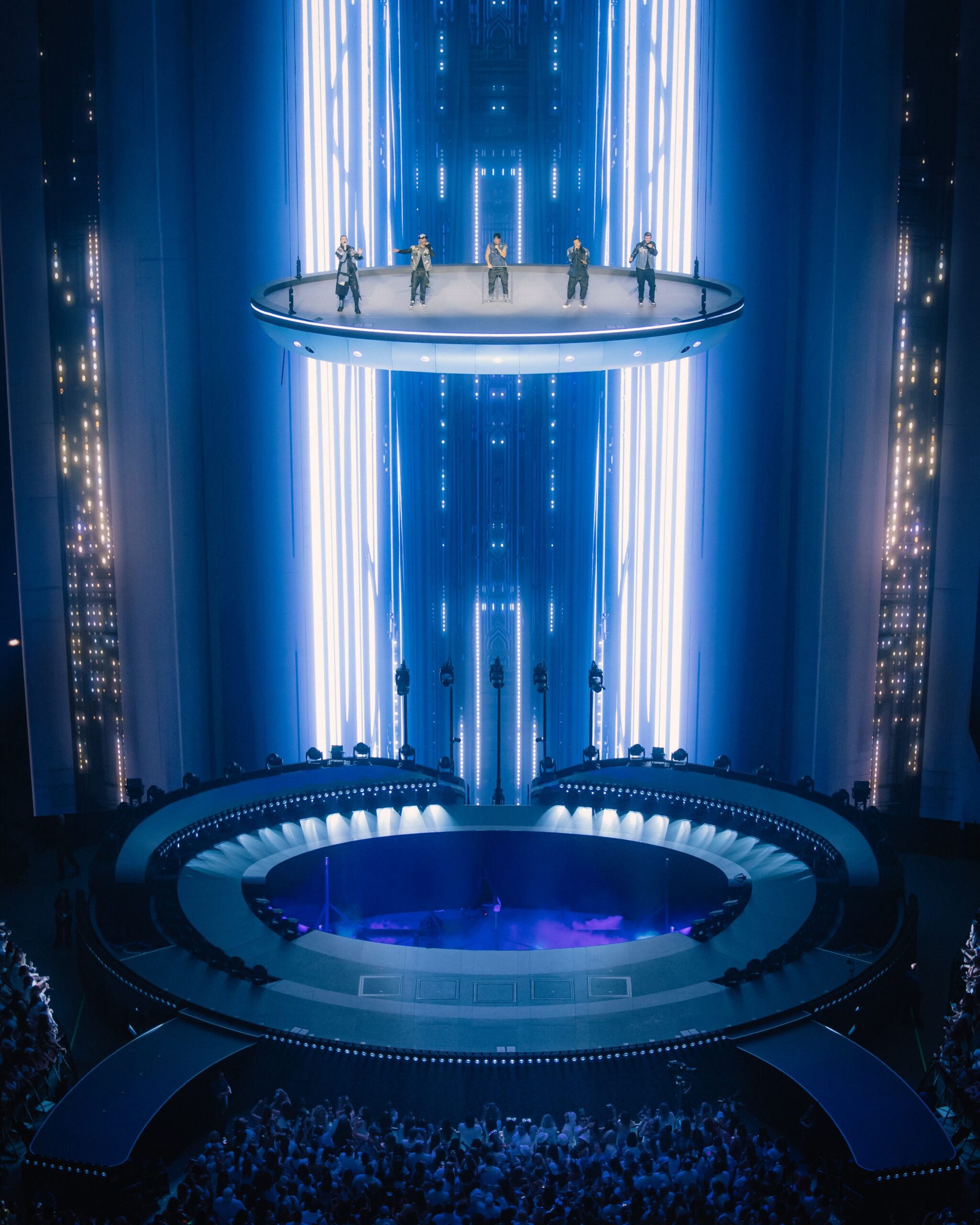
Increasingly, fans aren’t just reliving these memories through the music. They’re recreating them. At concerts today, audiences arrive dressed for the era they first connected with the artist, turning venues into living time capsules. At The Backstreet Boys, for example, fans across generations are showing up in all-white Millennium looks, transforming a 1999 album cover into a collective ritual that plays out both online and inside the venue.
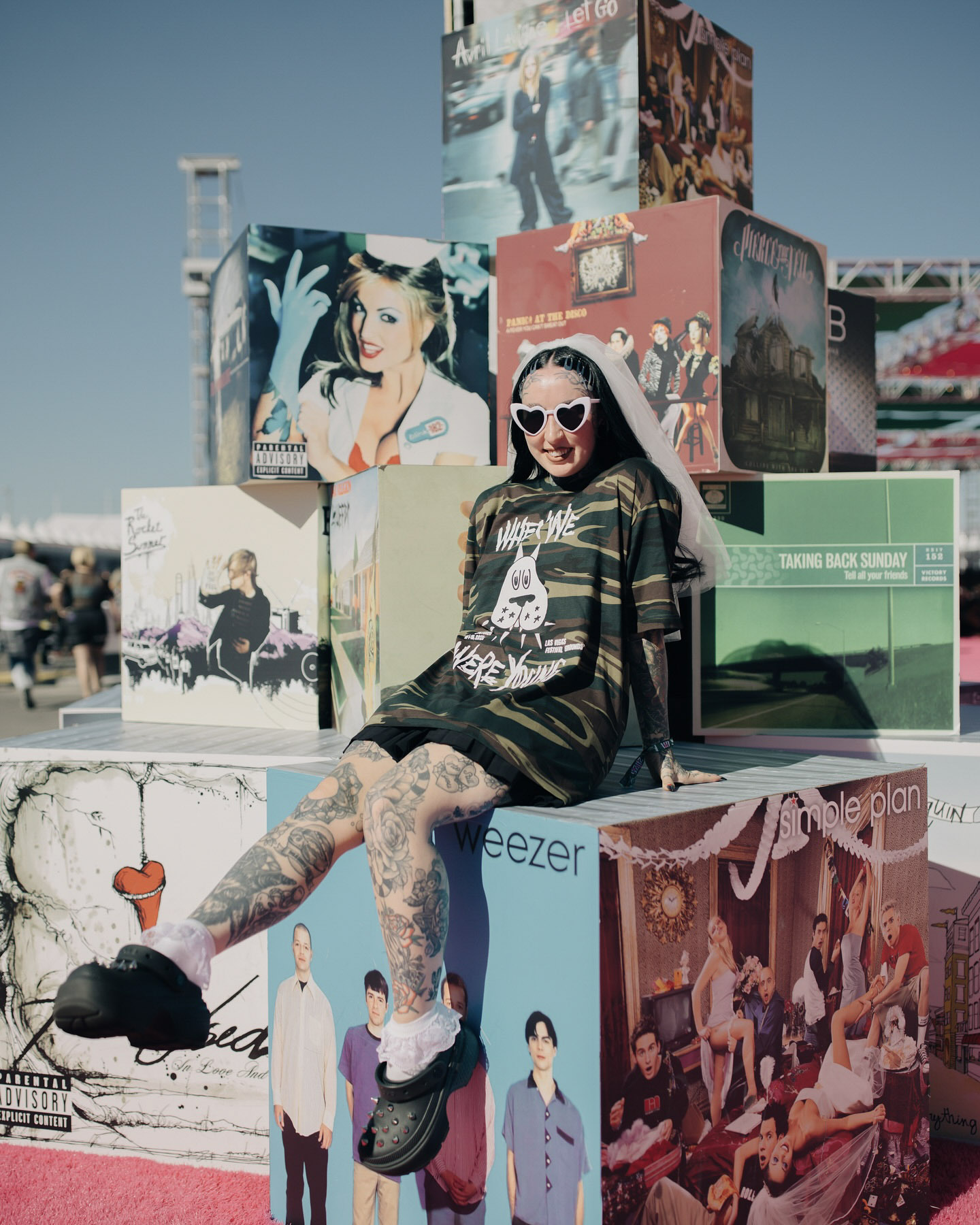
That instinct to reconnect with the past doesn’t stop at what fans wear. Collecting vinyl and CDs and revisiting older catalogs offer physical ways to hold onto the music that shaped them. Half of fans expect nostalgic merch options to grow, while 45% believe physical media will continue gaining momentum in 2026.
Now That’s What You Call Scale
Nostalgia’s power lies in its scalability. It is not limited to one generation. It moves across age groups, geographies, and platforms, creating new pathways for discovery.
Parents introduce children to the music they grew up with, while Millennials and Gen Z rediscover their favorite childhood artists through streaming and social media. 82% of fans say they find it comforting that the music they loved growing up is becoming popular again with a new generation.
That momentum is especially visible in live music right now. Reunion tours, residencies, and genre-specific festivals are drawing multigenerational audiences. Artists like Hilary Duff, B2K, and Bow Wow are hitting the road this year for comeback tours, while No Doubt added dates to their residency at the Sphere. Festivals are reflecting the same pull. Sick New World returns this spring with a lineup built around legacy nu-metal, industrial, and hard-rock acts, turning a once-era-defining scene into a shared reunion.
Concerts and festivals centered on specific sounds or time periods succeed because they balance familiarity with rediscovery. Fans aren’t just attending these shows. They’re stepping into environments built around music they already know and care about.
No Scrubs, Just Real Connection
For brands, nostalgia offers a clear pathway to cultural relevance.
83% of fans say they associate brands supporting nostalgic music with positive memories, and 79% say those partnerships make brands feel more relatable and strengthen emotional connection.
Live music now functions as a gathering point where memory and identity intersect. The most effective partnerships build on that connection rather than sitting alongside it.
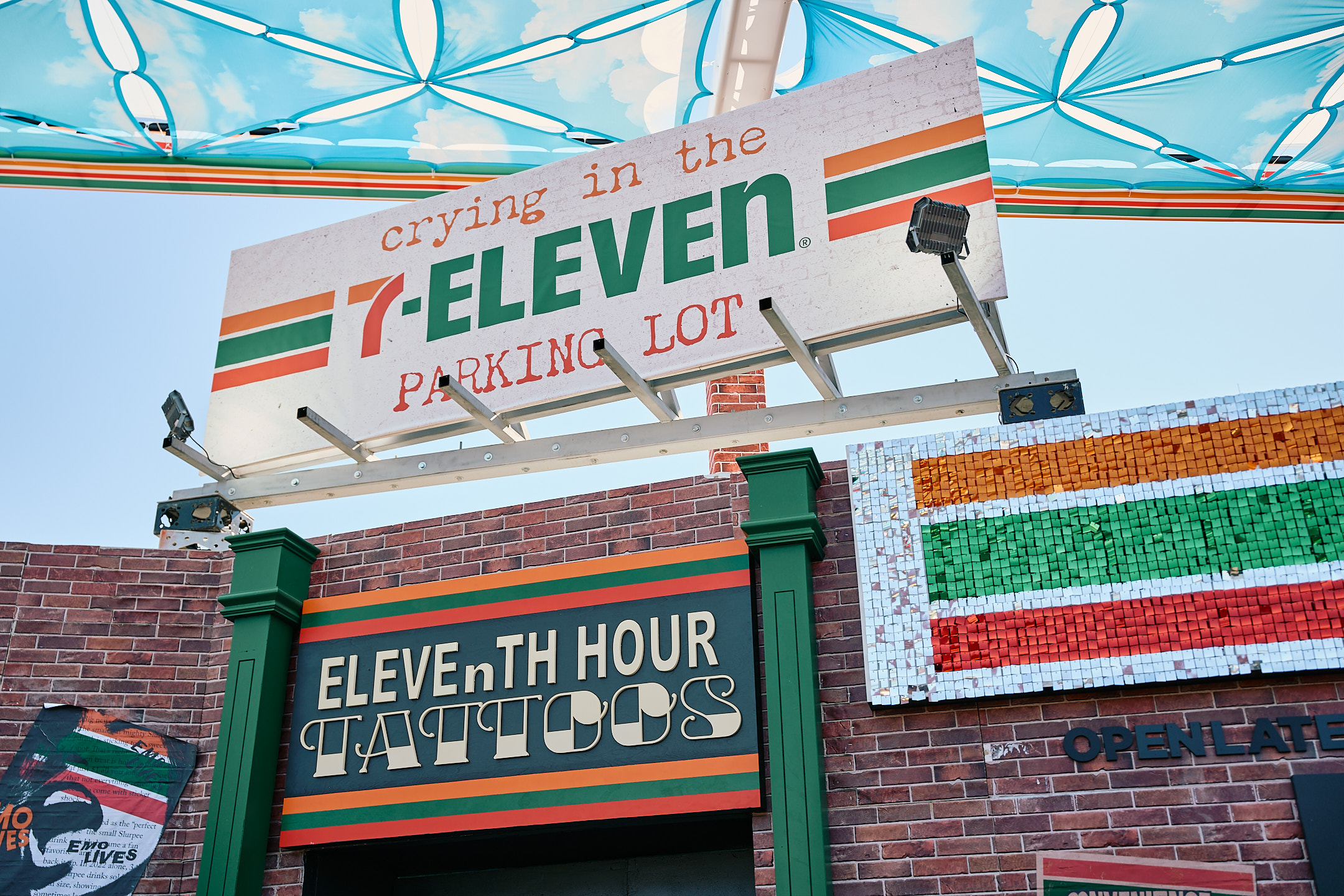
Throwback-themed activations are one approach. Whether it’s collabing with an artist to recreate their childhood home, reviving fan-favorite products or collectibles, or designing photobooth moments reminiscent of the past, these experiences give fans an immersive blast from the past.
“Nostalgia is now an economic engine. It’s really a cultural trend rooted in emotions that we can all use as a tool to grow with the fanbase” – Warda Baig, Talent Buyer at Live Nation, representing tours such as Hillary Duff and Sarah MacLachlan
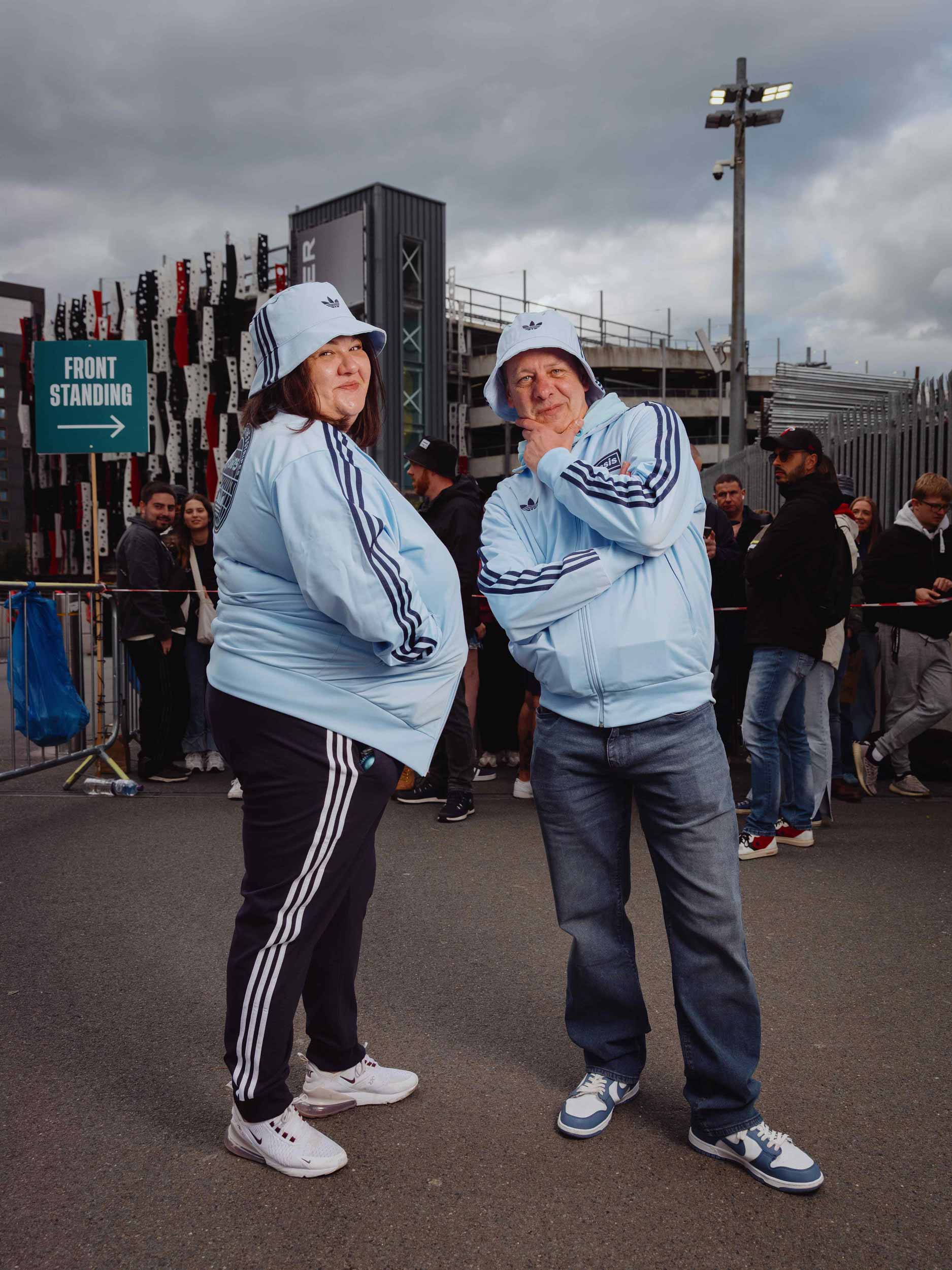
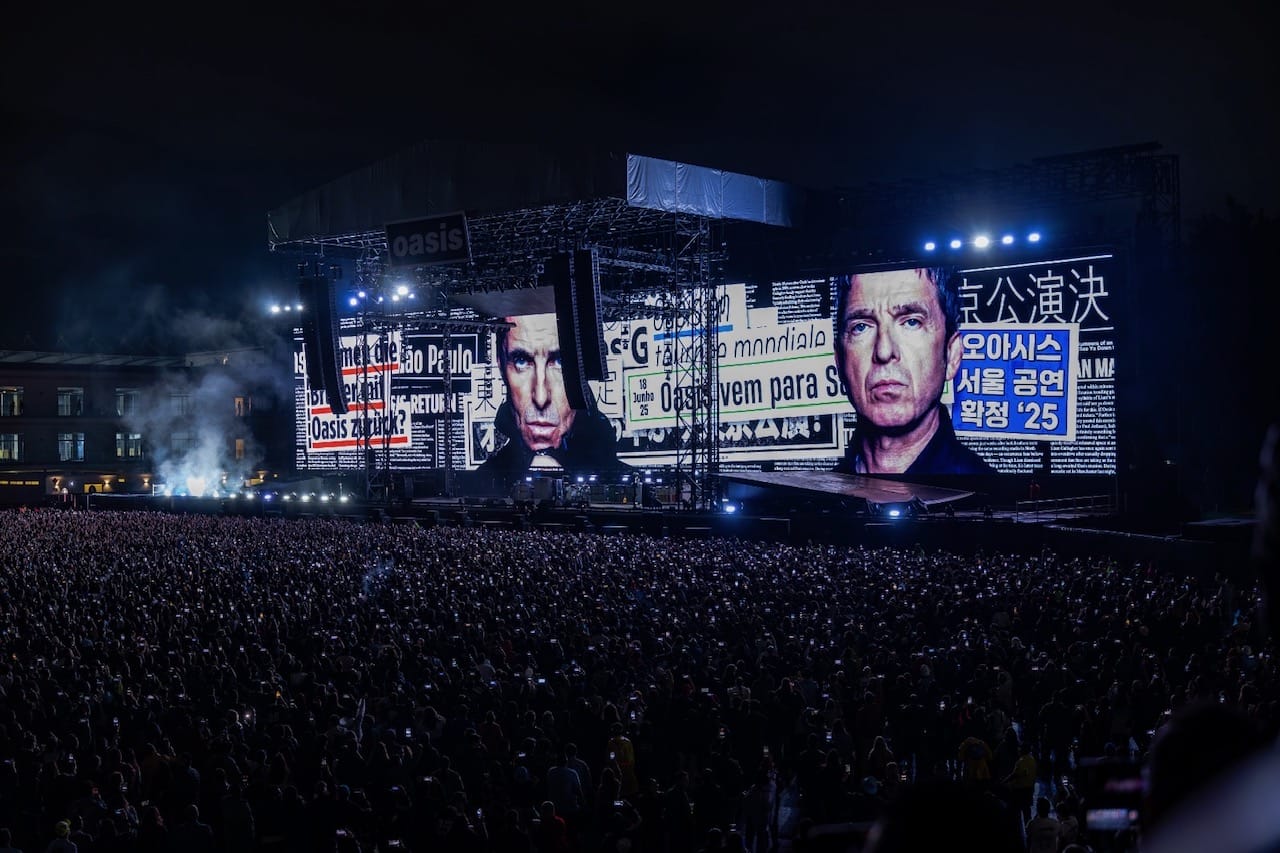
Fashion brands also have particular momentum here. Nostalgia-driven merch combines emotional attachment with something tangible to take home. Adidas tracksuits, for example, became the uniform for the Oasis reunion tour, sparking a fashion movement rooted in music, nostalgia, and culture. When done well, these items become keepsakes that extend fan engagement long after the show ends.
Partnerships with beloved legacy artists can also amplify impact. Brand campaigns that align with an artist’s legacy or celebrate a specific cultural moment can feel both authentic and timely.
Ultimately, success comes down to understanding what fans connected with in the first place, and how that connection can be reintroduced in ways that still feel current and reimagine what’s old to feel new again.