

Social Media is Reinventing the Fan Experience
By Jane Chen, Senior Vice President, Integrated Marketing and Loyalty Solutions
Live music now moves at the speed of hype, fueled by social media. It doesn’t live only at the venue anymore, it builds for weeks on social media and digital communities. It breaks the internet in real time and it echoes online for days after.
What used to be a moment is now a cycle. And instead of distracting from the experience, social media is amplifying it. 3 in 4 global fans say technology helps them feel connected to others at live events and 84% of global music fans say live experiences now go beyond the event itself.
For brands, that changes everything. The opportunity isn’t just at the event, it’s across the full arc: anticipation, participation, and memory.
Below is a breakdown of what fans are doing before, during, and after attending a live music event.
Before: Build the Hype
Anticipation can be intoxicating. Much like the minutes before opening a gift, the buildup to a concert can be a major part of the fun.
Pairing this excitement with the chance to witness something worth telling your friends about can supercharge the buzz. 71% of fans say the ability to share their experience on social media motivates them to attend shows.
Those same platforms are also shaping what fans choose to see in the first place. Before they even buy tickets, many are discovering new artists while scrolling. More than half expect social media to play a bigger role in pushing artists into the spotlight throughout 2026.
Enter Noah Kahan. The American singer-songwriter moved from emerging artist to selling out stadiums after his single “Stick Season” spread like wildfire across TikTok, lifting his career to new heights.
During: Break the internet
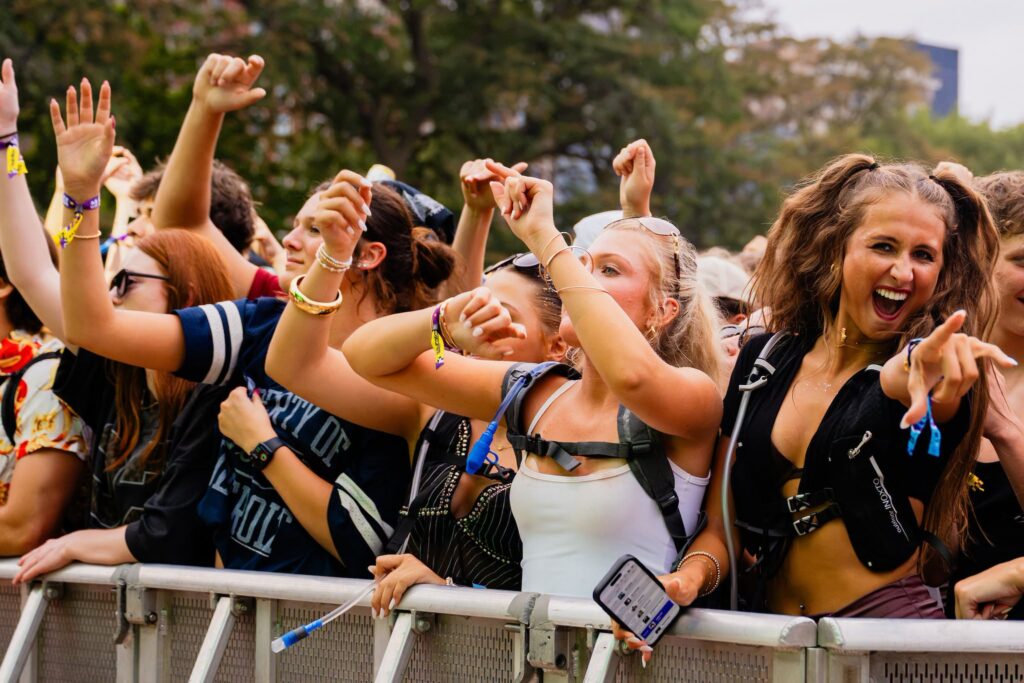
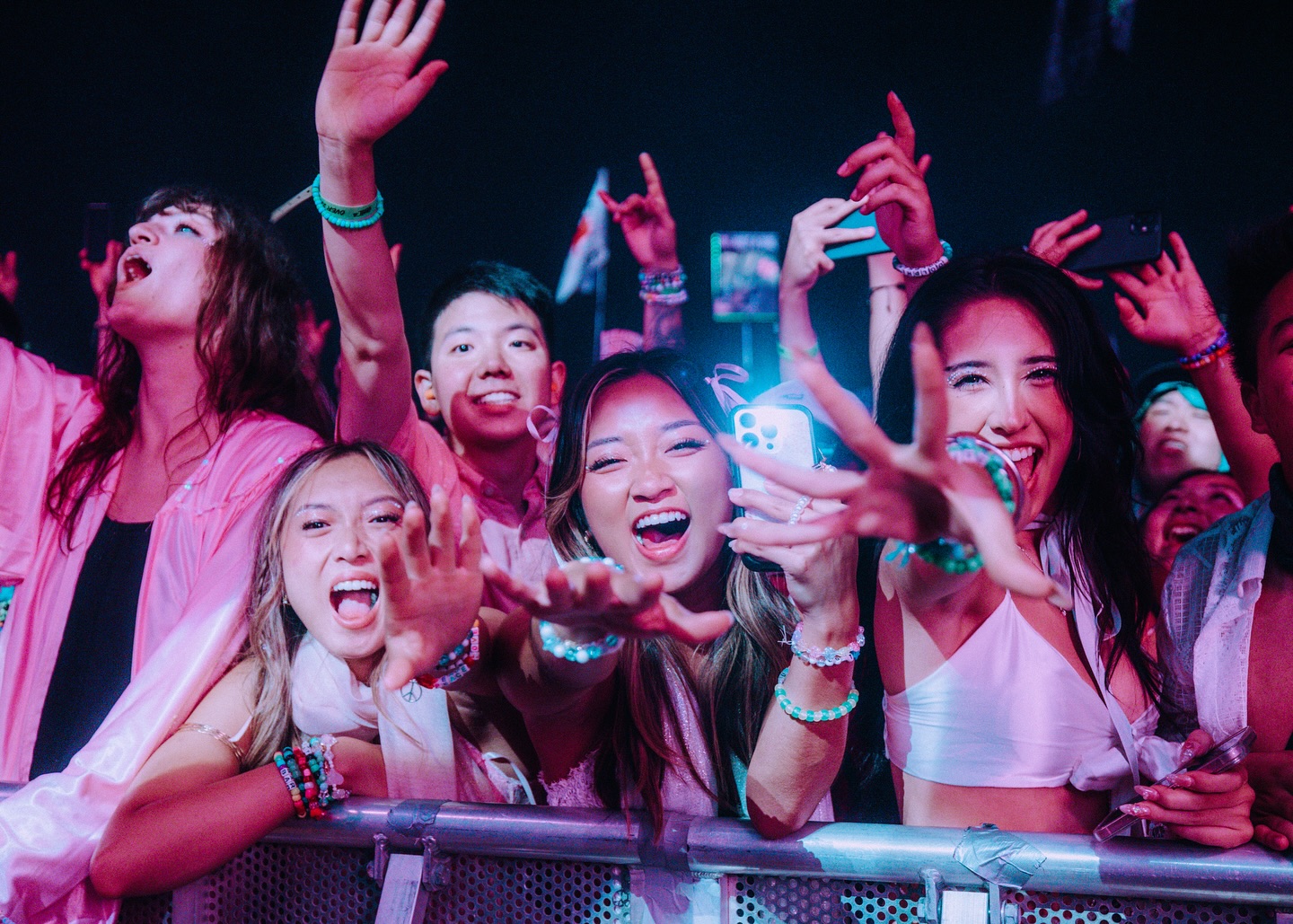
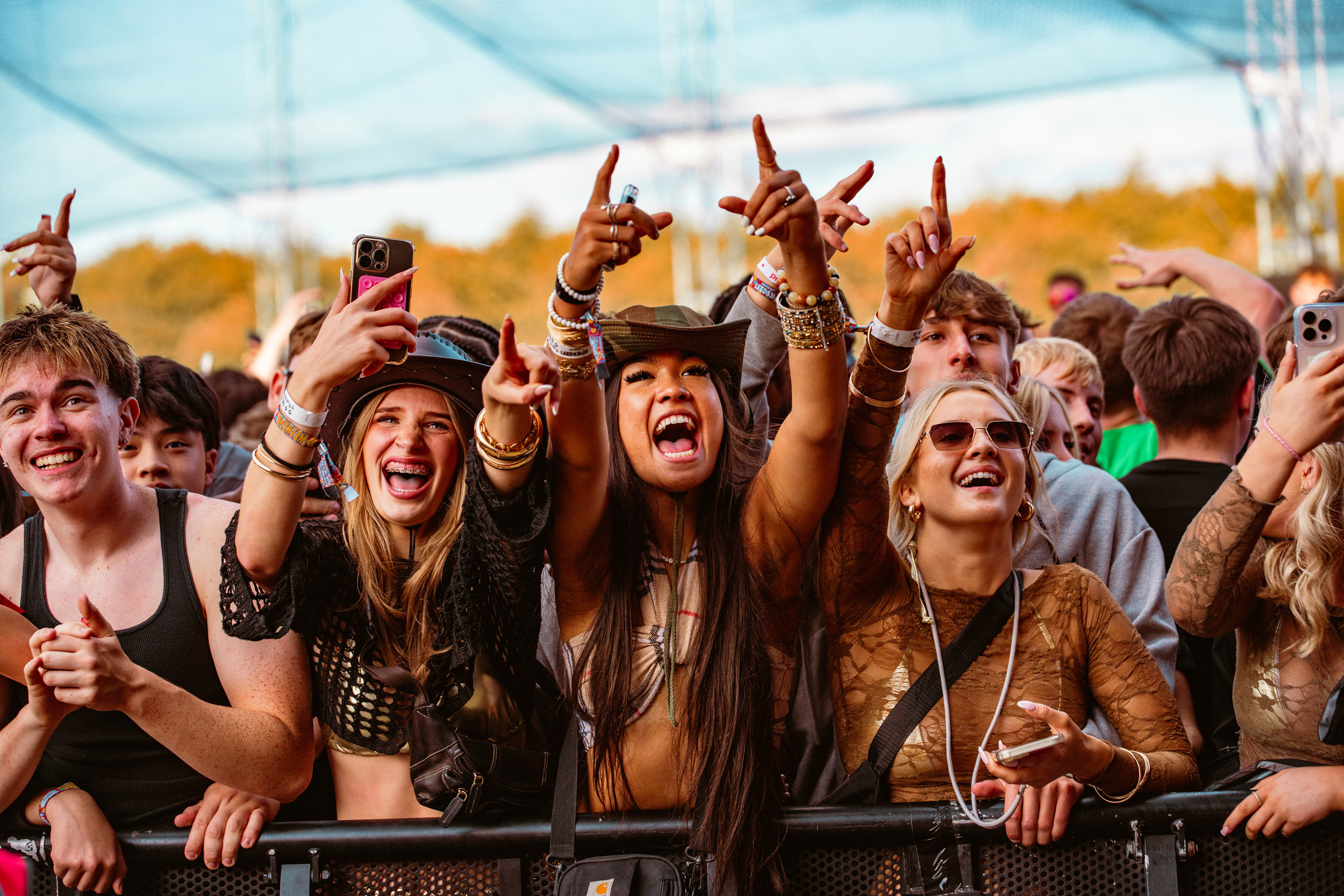
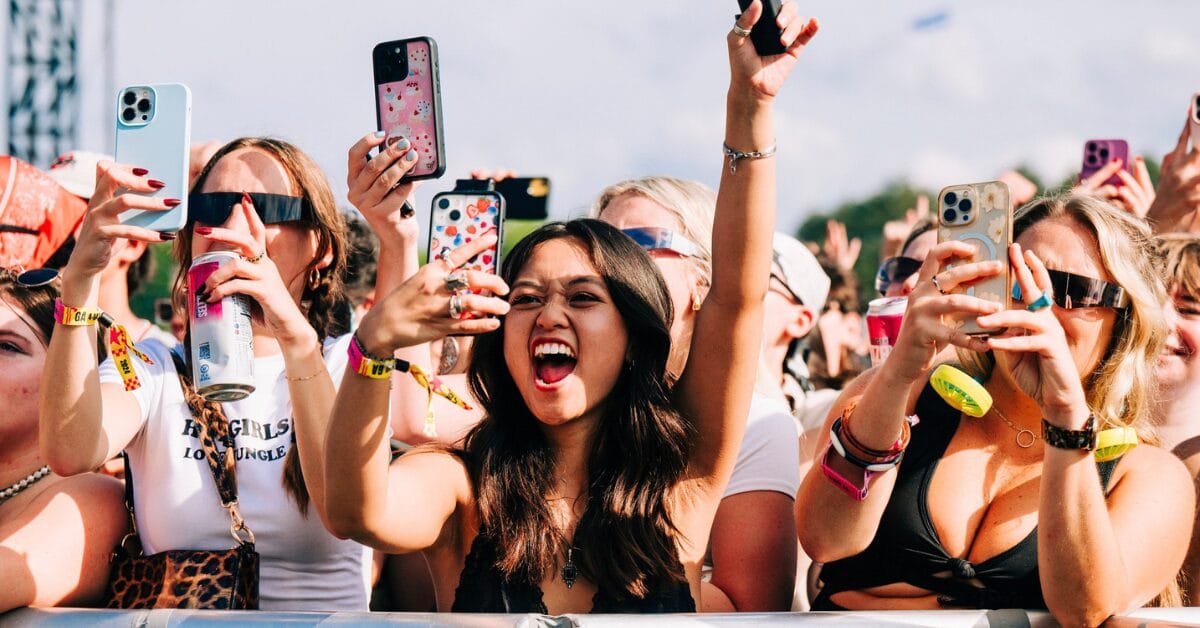
Hands up. Phones out. The moment isn’t just happening, it’s being shared live.
94% of fans post about live music on social media, and two-thirds of fans go even further, saying that posting is a core part of the experience.
Sometimes this online chatter can snowball into a possible Guinness World Record. In July, Pitbull hopes to gather the largest number of people wearing bald caps in history at his show in Hyde Park, London. What started as a joke — fans dressing up in a suit, sunglasses, and bald cap to resemble the Miami rapper — has turned into a ritual for anyone attending one of Pitbull’s shows. Viral images and videos of hairless concertgoers helped fuel the trend worldwide.
After: The encore lives online
The experience doesn’t end when the curtain falls, it moves online, where fans can relive it over and over again.
Nearly 9 in 10 fans, for example, say they rewatch videos they took at live music events.
For people who couldn’t make it to the concert, digital channels provide a way to experience it from the comfort of their couch on their own timeline. Ultimately, 68% of fans around the globe rely on social media to catch up on live music events they couldn’t attend.
Because the internet never sleeps or stays in one place, music lovers can keep the party going online, finding like-minded fans and making friends along the way. This is one reason why the majority of fans expect online platforms to create community at a growing rate in 2026.
For Brands: Don’t just show up, show out
All of these statistics highlight what’s already apparent to those who attend concerts and festivals: live music fans are quick to embrace new technology.
Additional data backs this up: 2 in 3 global fans say they introduce new technologies to other people. Meanwhile, 3 in 4 fans say the prospect of new technologies excites them.
With more than half of music fans anticipating social platforms to increasingly function as search engines, brands have a clear channel to broadcast their messages to this demographic before, during, and after the live event ends.
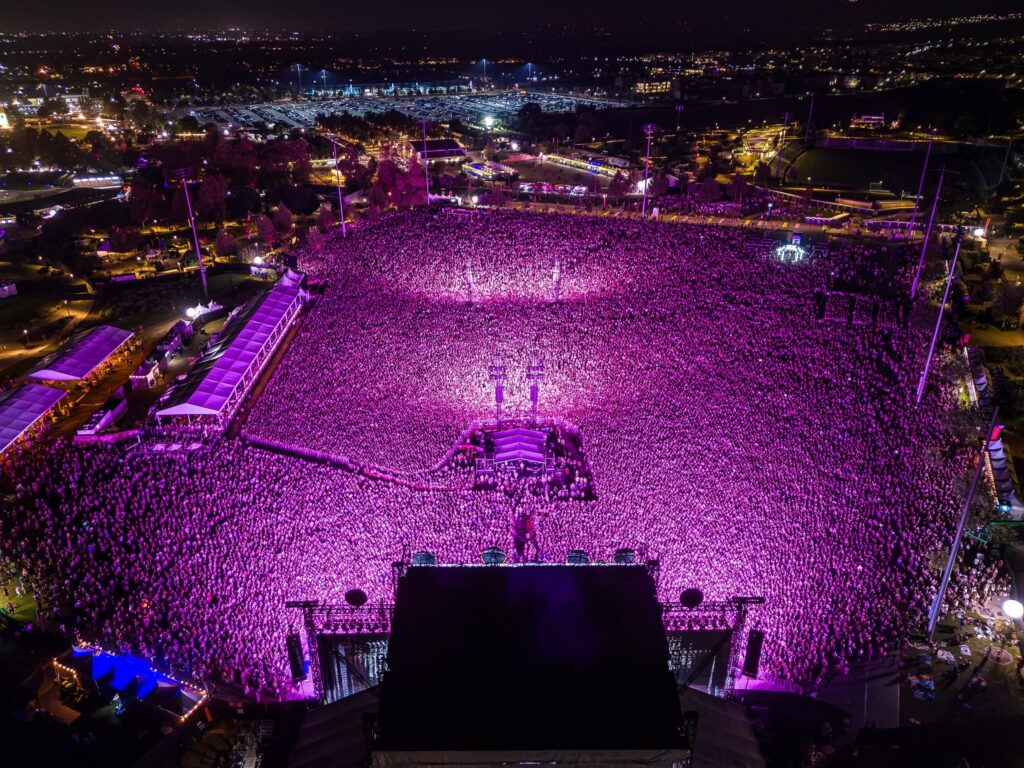
Live music is now everything, everywhere, all at once: in the hearts and minds of fans, in the digital spaces where we share, and in the packed houses where we experience. Together, these elements extend the reach of the moment and deepen the cultural impact, creating more space for fans to connect and more ways for brands to be part of the hype.