

What Happens When Sports and Music Share the Same Stage
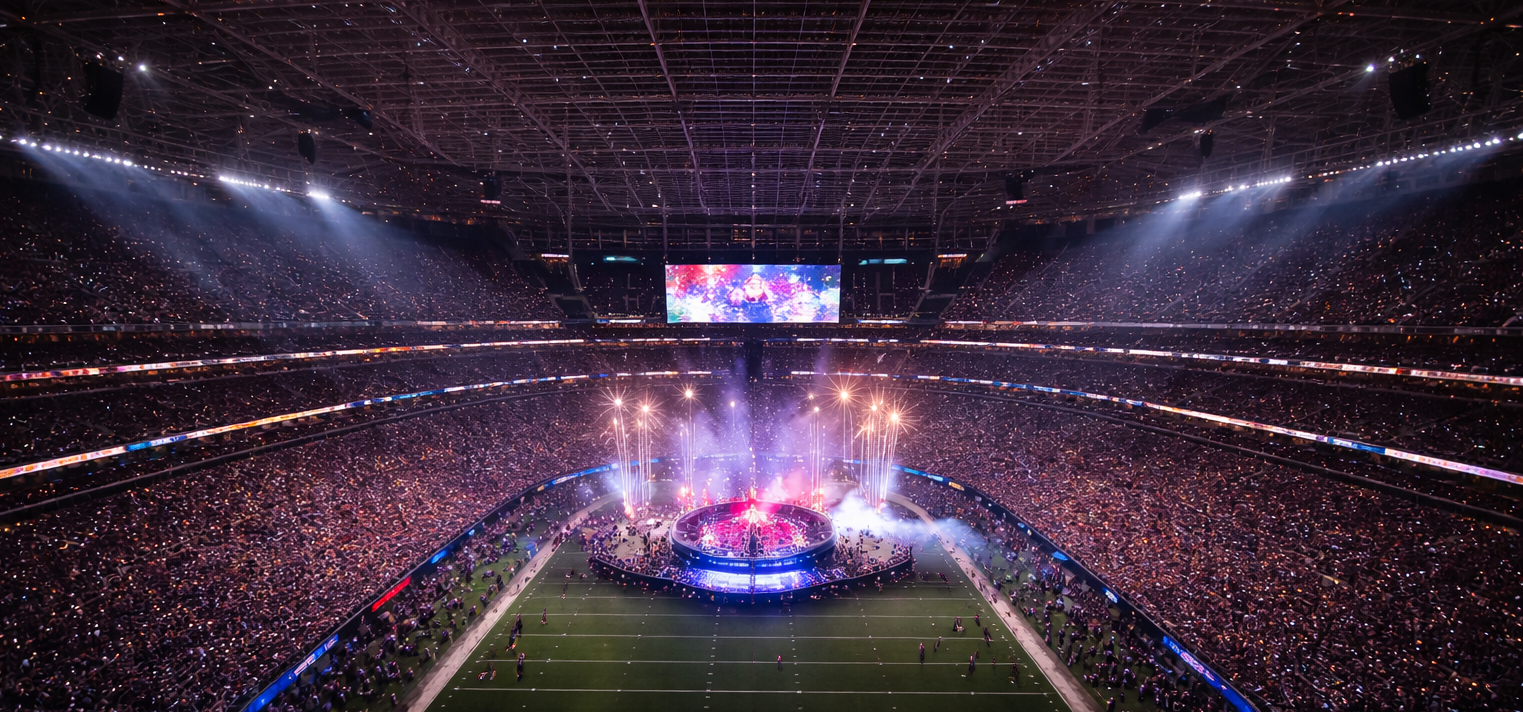
Each year, the Super Bowl offers a clear view into how sports and music shape culture together.
When the Game Pauses, the Audience Expands
The Super Bowl is one of the few moments left when a massive audience still shows up at the same time.
When the game pauses and the halftime show begins, the audience changes. People who don’t follow football stick around. Viewers who might never watch a full game tune in. For a few minutes, the event moves beyond sport and becomes a cultural experience.
That shift is not a side effect. It’s the point.
Two Live Forces That Travel Differently
Sports and music move through the world in different ways.
Sports create structure. Seasons, schedules, rivalries, and teams give people a reason to show up at a specific moment. Music moves more fluidly. It crosses borders easily. It brings together people who may not share the same loyalties, tastes, or backgrounds.
When the two meet, the audience doesn’t narrow. It widens.
That’s why the halftime show has become the most-watched part of the Super Bowl. Teams fade into the background. What remains is a shared experience that extends far beyond the stadium and the sport itself.

of global consumers agree that “musical performances like a halftime show are key reasons for why I watch sports.”
global consumers agree “I appreciate when professional sporting events incorporate live music elements.”
Why This Moment Feels Bigger Than the Game
The halftime show works because it removes friction.
You don’t need to care who’s winning. You don’t need to follow a league. You don’t need to understand the rules. Music gives people permission to participate without prerequisites.
That’s why these moments travel globally. They don’t rely on rivalry or allegiance. They rely on familiarity, emotion, and shared presence.
For a brief window, the Super Bowl becomes something everyone can participate in.
This Isn’t a Once-a-Year Phenomenon
What makes the halftime show feel extraordinary is its visibility. The behavior behind it is not.
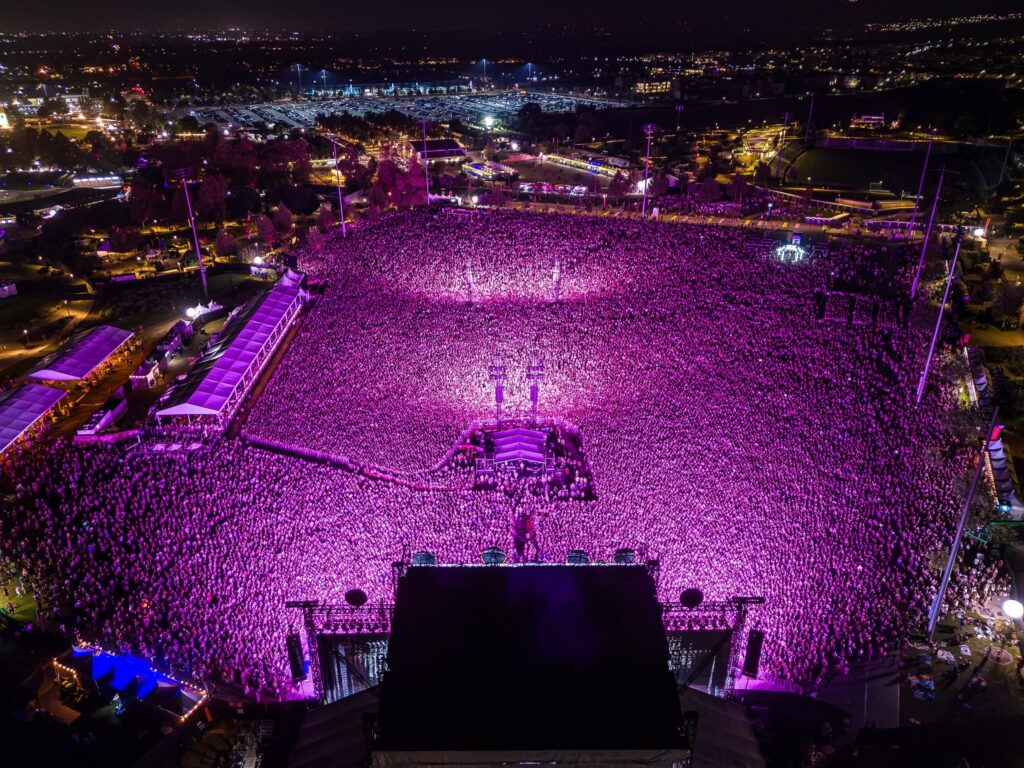
People already organize their lives around live music. They plan trips around tours. They build weekends around shows. They gather across generations and geographies without being asked to pick sides.
Live music doesn’t need a championship to matter. It doesn’t need a winner.
When music appears inside major sporting moments, it doesn’t create interest from nothing. It reflects the top passion in the world.
The Pattern Playing Out
The halftime show feels singular because of its reach. The behavior it reveals is familiar.
People make time for live music. They travel for it. They return to it again and again. The Super Bowl concentrates that behavior into one night. Live entertainment carries it forward every day.
That’s what happens when sports and music share the stage.
For more research on how live experiences shape behavior globally, see our Living for Live.