

Why AI Alone Can’t Build Your Live Music Strategy
AI can write a deck. AI can surface trends. AI can even simulate what music “feels” like. But AI cannot singlehandedly build your brand’s role in live music—at least, not in the kind of way that sticks, spreads, and earns love with fans.
Because live music strategy is where data and culture intersect. It’s cultural anthropology. Emotional resonance. An understanding of scenes, signals, and subtext that algorithms can surface but only people can truly translate.
Pattern-Matching Needs Cultural Pulse Reading
AI helps spot patterns and predict shifts. But in live music, the advantage comes from translating those signals into experiences fans actually feel — and winning means knowing the why:
-
Why that one lyric gets sung louder than the rest
-
Why pop-up DJ parties are trending (beyond what’s in a trends report)
-
Who your brand is in the room when it walks into a venue

It’s More Than a Placement
AI can help you identify the right artist, measure reach, and spot momentum. Live music is where those insights take shape—where your brand doesn’t just appear, it connects. That’s the difference between a campaign that looks good on paper and one that lives in culture.

Music Is Where Fans Let Their Guard Down
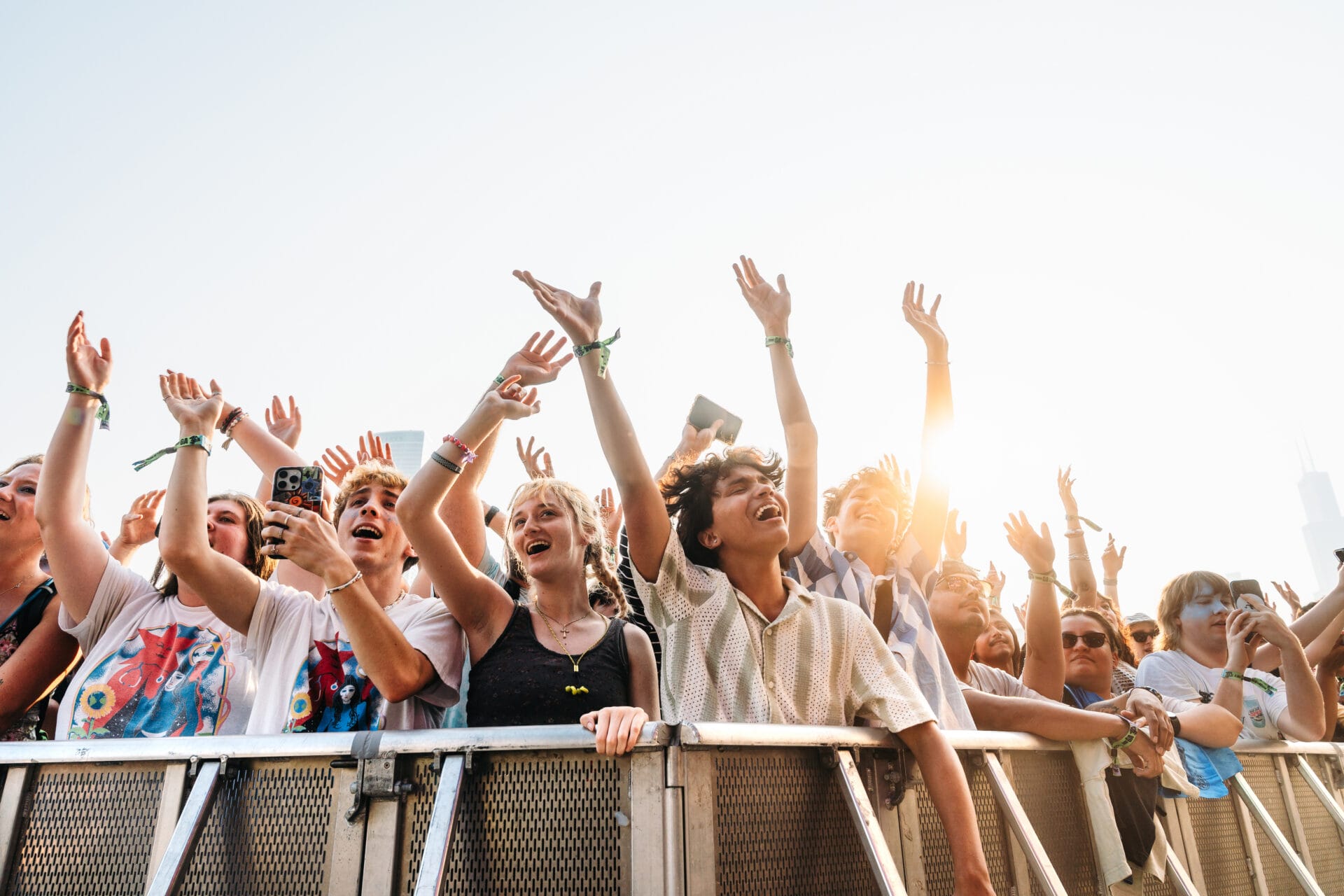
Sports evoke passion. Gaming drives novelty. But music is where people connect at their core.
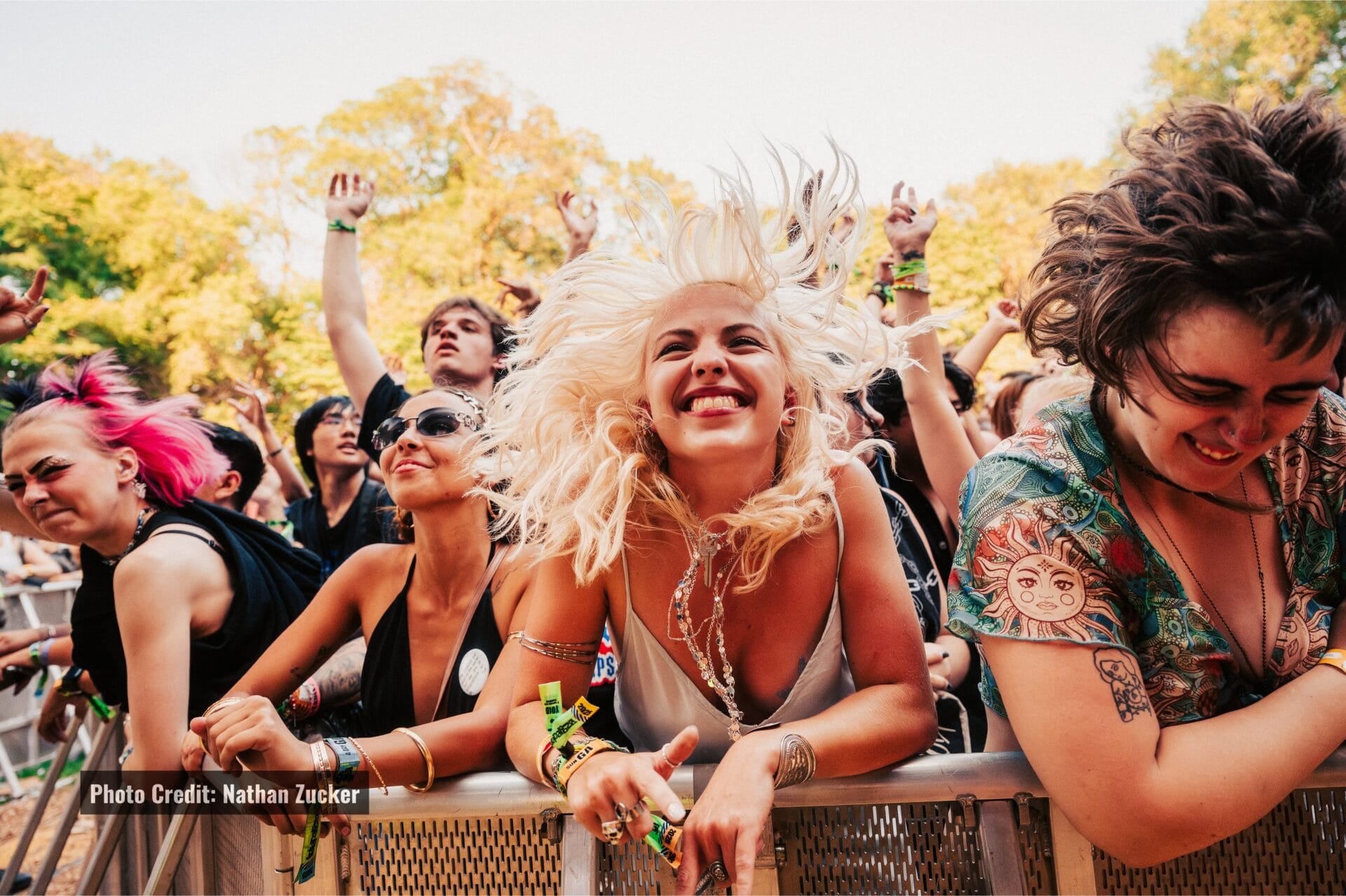
It’s the last place fans let their guard down—fist in the air, eyes closed, lost in the verse. AI can measure the sentiment but live music creates the feeling. Attending live music events delivers the highest emotional intensity (6.6/10) compared to attending pro sports (5.8), listening to recorded music (5.3), or playing video games (4.9).

Belonging Is the New Benchmark
The brands that matter in music mean something to fans. They make experiences better, deeper, freer, more possible.
AI brings powerful tools to the table, but even experts acknowledge it has limits. It processes patterns of data, but it doesn’t live them. It works off historical training sets—not the evolving, underground currents that define subcultures. As one analysis notes, AI “lacks contextual understanding” and struggles to grasp “symbolic meaning” and “emotional and social importance of space in specific cultures.” Another says it “can observe phenomena but cannot inhabit” culture.
That’s why the strongest strategies use both. AI can scale insights. Live music turns them into moments fans remember. Together, they help brands move from simply showing up to truly belonging, which is the ultimate stage where brand love is earned.

The Bottom Line: Trends Need Translation
You need strategy rooted in instinct, intimacy, and irrational love—boots on the ground that understand how a physical space, a mixtape, or a pop-up set all shape context, and can move when an artist shifts from posting to building community before the charts ever catch up.
AI is an incredible tool. But its impact is amplified when connected to the cultural force of live music—where meaning is made, loyalty is built, and fans carry the moment long after the lights go down.
Authored by: Julia Vanderput, Brand Strategy Director