

Live Music Is Connecting Fans Beyond Language and Geography
By Darin Wolf, EVP, Brand Management
Stray Kids drove record K-pop attendance across Latin America. Diljit Dosanjh delivered the largest Live Nation on-sale ever for a South Asian artist. Travis Scott’s India shows became some of the biggest hip-hop events the market has ever seen.
Streaming platforms and social media ecosystems have facilitated music’s ability to travel faster, further, and garner more cultural impact than ever before. 85% of global fans agree that live music now transcends borders and languages. This cultural shift demands brands to evolve just as quickly, requires a new level of awareness, strategy, and most importantly, cultural fluency.
The New Mainstream
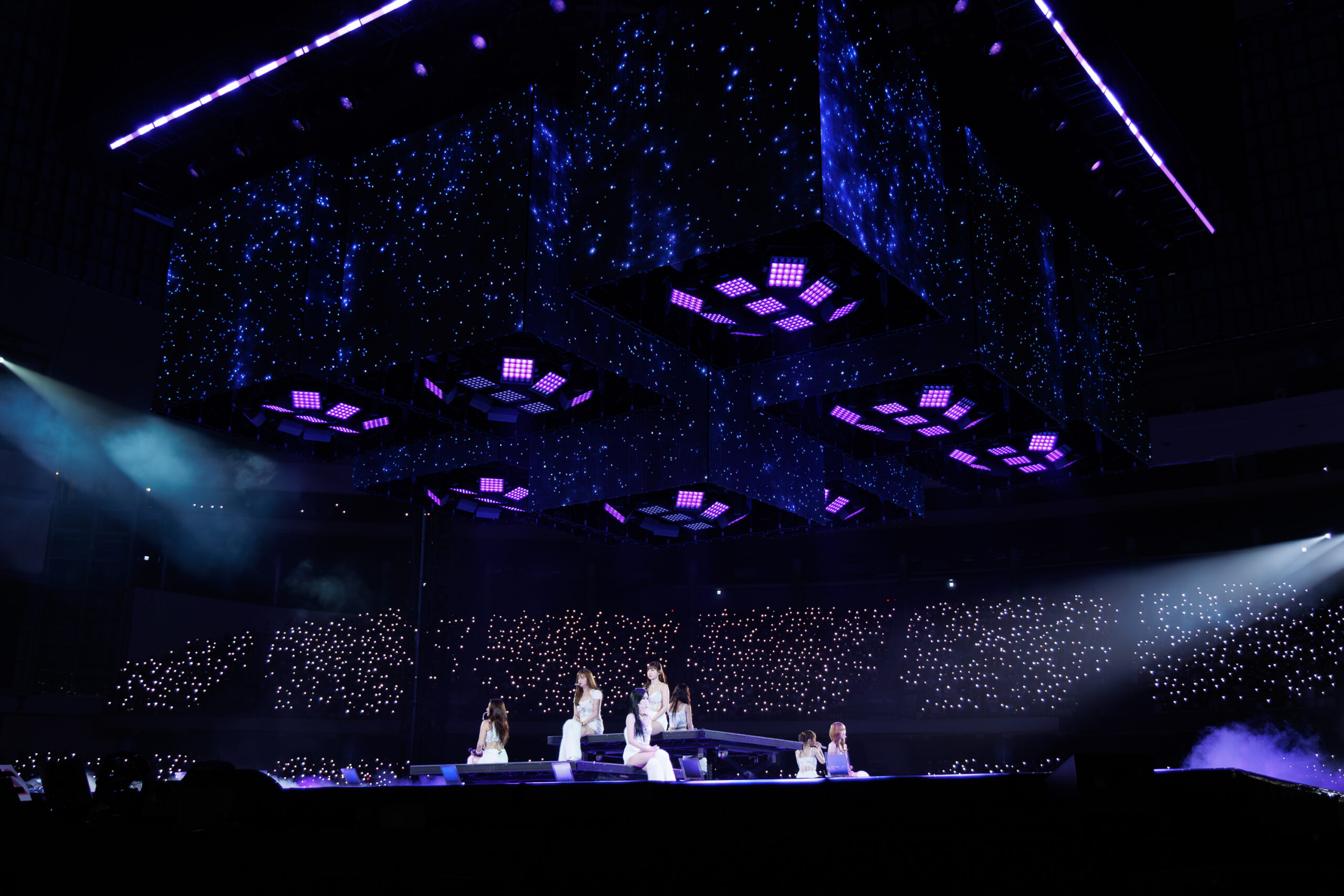
No longer dominated by a single genre or market, today’s most popular songs reflect a blend of sounds. Once considered “niche,” genres like Afrobeats, K-pop, reggaeton, EDM, and regional pop are now shaping festival lineups and touring demand worldwide.
Bad Bunny continues expanding Latin music’s stadium footprint across Europe and Australia, while Asian pop genres such as K-pop, J-pop, T-pop, and C-pop are expected to play an even larger role in global culture in 2026, with BTS returning from their nearly four-year hiatus and Kenshi Yonezu expanding his first-ever global tour.
Fans are responding accordingly. Almost 50% expect previously niche genres to appear more often in major festival lineups, and 73% say they are listening to more global artists than they were several years ago. Just as importantly, the same percentage say they enjoy engaging with music from other cultures, even when they don’t fully understand the language.
Discovery is no longer limited by geography. 80% of fans agree that international artists help promote a greater sense of global connection. See for yourself on Spotify’s current global charts:
Music Habits in Motion
As artists travel further, fans explore more widely.
Algorithms, social trends, and always-on discovery environments mean a song can surface in one country and become a global hit within days, often without traditional promotion.
That openness is showing up live as well. 78% of global fans plan to experience a live music “first” in 2026, whether that means discovering a new artist through an event, attending a show outside their usual genre, or traveling internationally for a concert.
These moments deepen emotional engagement. 77% say attending live music events helps them feel part of something bigger.
This willingness to explore reflects a broader mindset shift: fans are moving beyond familiar scenes and actively seeking cultural exchange through music. As discovery accelerates, brands have an opportunity to diversify how and where they show up, positioning themselves as active participants in shaping music culture rather than passive observers.
Cultural Fluency Is the New Advantage
In a world where music moves without borders, cultural fluency becomes the defining factor for brand success. Simply showing up is no longer enough; brands need to engage in ways that feel authentic, informed, and relevant.
Mastercard has a unique vantage point on that shift. Through its global live music platform across 30+ countries, the brand has connected more than 5.5 million fans to concerts worldwide through presales and exclusive access. Across 18 of those countries, Mastercard has brought its Priceless model to life with 25+ specially curated experiences that bring fans closer to their favorite artists like Lady Gaga and TWICE. This partnership shows what it takes to stay relevant in a borderless music landscape: not just global reach, but the ability to move with fans as their music takes them across markets.
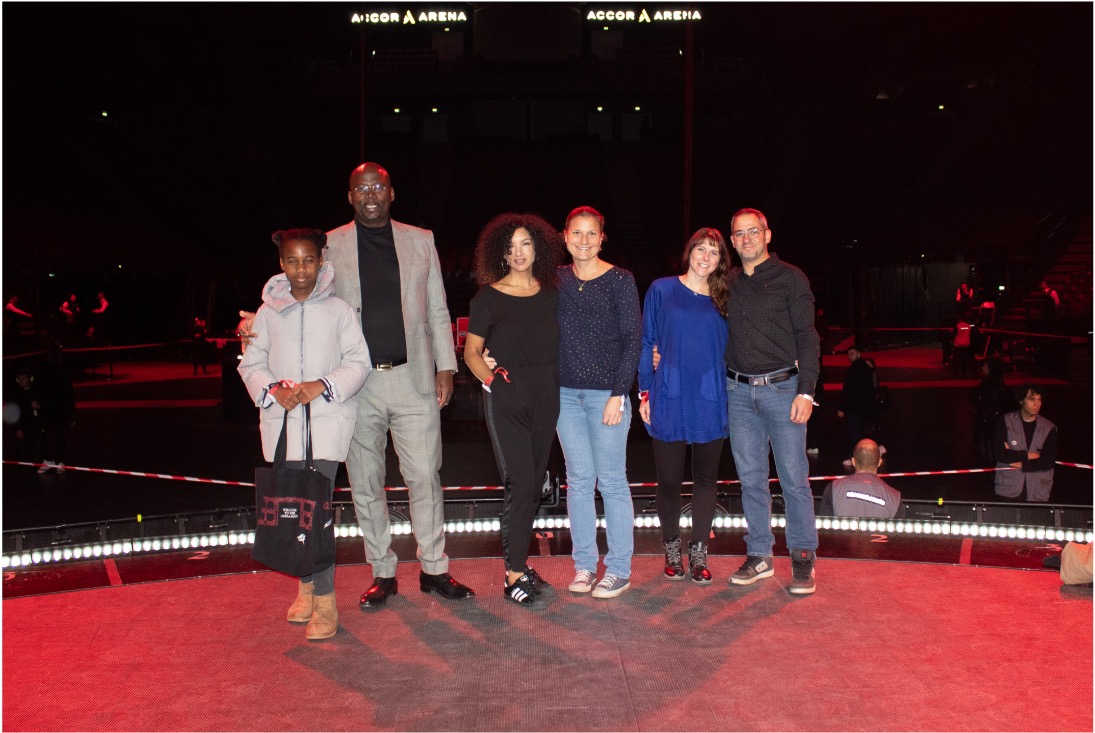
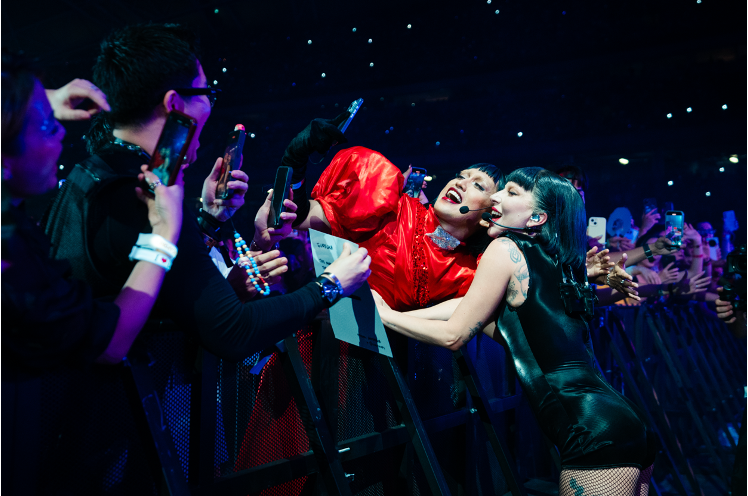
Outside of the onsite experience, curating exclusive content like a behind-the-scenes walkup series or capturing an intimate performance can make fans feel more connected to the moment as it unfolds. More importantly, partnering with artists and creators who reflect the diversity and have a pulse on global fandom is essential for relevance and authenticity. These partnerships should go beyond surface-level endorsements and evolve into genuine collaborations that amplify both the artist’s voice and the brand’s purpose.
Music is the universal language, but today it moves faster than geography. Brands that move with it can position themselves inside the culture instead of alongside it.